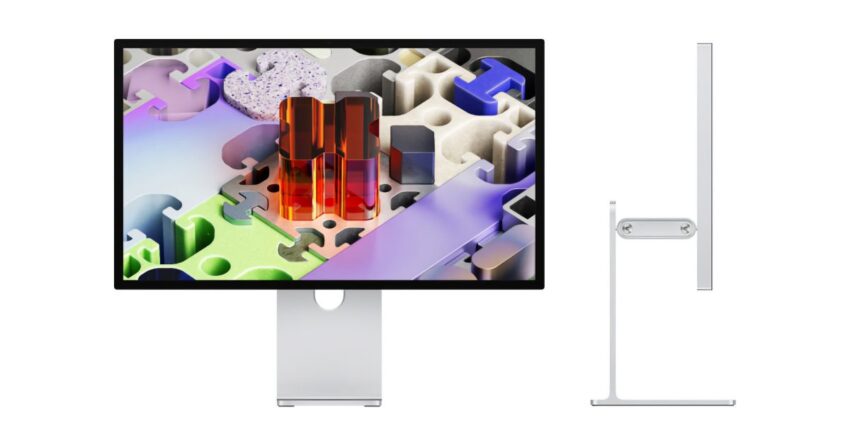
apple drops price of studio display xdr Apple has announced a significant price reduction for its Studio Display XDR, specifically for the version that does not include a stand.
apple drops price of studio display xdr
Overview of the Studio Display XDR
Launched just last month, the Studio Display XDR represents Apple’s foray into high-end display technology, aimed primarily at creative professionals and industries that demand exceptional visual fidelity. The display is designed to cater to graphic designers, video editors, and other professionals who require precise color accuracy and high resolution in their work.
Initially, the Studio Display XDR was priced at $3,299, regardless of whether customers chose the model with the VESA mount or the one with Apple’s tilt-adjustable stand. This pricing strategy reflected Apple’s positioning of the product as a premium offering in the market, targeting users who are willing to invest in high-quality equipment for their professional needs.
Price Adjustment Details
In a surprising move, Apple has quietly adjusted the pricing for the Studio Display XDR, reducing the cost of the VESA mount option by $400. This brings the entry price for the display down to $2,899. However, the model that includes the tilt-adjustable stand remains at the original price of $3,299.
Implications of the Price Drop
This price drop could have several implications for both consumers and the broader market. For potential buyers, the reduced price may make the Studio Display XDR more accessible, particularly for freelancers and small businesses that may have been deterred by the initial high price. The VESA mount option allows for greater flexibility in mounting the display, making it a practical choice for those who already have a suitable stand or wall mount.
From a market perspective, this adjustment could signal a shift in Apple’s strategy as it seeks to compete more aggressively in the high-end display market. With competitors also offering premium displays at various price points, Apple’s decision to lower the price of the VESA mount option may be an attempt to capture a larger share of this lucrative segment.
Technical Specifications
The Studio Display XDR is not just about pricing; it also boasts impressive technical specifications that justify its premium positioning. The display features a 32-inch Retina 6K display with a resolution of 6016 x 3384 pixels, providing stunning clarity and detail. It supports a wide color gamut and high dynamic range (HDR), making it ideal for color-critical work.
Additionally, the display is equipped with advanced technologies such as True Tone and ProMotion, which enhance the viewing experience by adjusting the color temperature and refresh rate based on ambient lighting conditions. These features are particularly beneficial for professionals who spend long hours in front of the screen, as they help reduce eye strain and improve overall comfort.
Design and Build Quality
Apple is known for its meticulous attention to design and build quality, and the Studio Display XDR is no exception. The display features a sleek, minimalist design that fits seamlessly into any professional workspace. The aluminum enclosure is not only aesthetically pleasing but also provides durability and stability.
The VESA mount option allows users to customize their setup further, enabling them to mount the display on arms or stands that suit their specific needs. This flexibility is particularly advantageous for users who may require multiple displays or unique configurations in their work environments.
Market Context
The high-end display market has seen significant growth in recent years, driven by the increasing demand for high-quality visual content across various industries. As more professionals turn to digital tools for their work, the need for reliable and high-performance displays has become paramount.
Apple’s entry into this market with the Studio Display XDR has intensified competition among established players such as Dell, LG, and Samsung. Each of these companies offers a range of displays that cater to different segments of the market, from budget-friendly options to premium models that rival Apple’s offerings.
Stakeholder Reactions
The price drop has elicited mixed reactions from stakeholders. Many potential buyers have welcomed the reduced price, viewing it as an opportunity to invest in a high-quality display without breaking the bank. Freelancers and small business owners, in particular, have expressed relief that the Studio Display XDR is now more financially accessible.
On the other hand, some industry analysts have raised questions about Apple’s pricing strategy. The initial high price point was seen as a reflection of the company’s brand positioning as a premium provider of technology. By reducing the price, Apple may risk diluting its brand image among certain consumer segments that associate higher prices with superior quality.
Future Prospects
Looking ahead, the price adjustment for the Studio Display XDR may set the stage for further changes in Apple’s product lineup. The company has a history of refining its offerings based on market feedback and consumer demand. As the landscape of high-end displays continues to evolve, Apple may consider additional adjustments to its pricing strategy or even introduce new models to meet the needs of a diverse customer base.
Moreover, the success of the Studio Display XDR could influence Apple’s approach to other product categories. If the price drop leads to increased sales, it may encourage the company to adopt a more flexible pricing strategy across its entire range of products, particularly in segments where competition is fierce.
Conclusion
The recent price drop of $400 for the VESA mount option of the Studio Display XDR marks a significant development in Apple’s product strategy. By making this high-end display more accessible, Apple may attract a broader audience of creative professionals and small businesses. As the market for high-quality displays continues to grow, the implications of this pricing adjustment could resonate throughout the industry, influencing both consumer behavior and competitive dynamics.
As Apple navigates this evolving landscape, stakeholders will be watching closely to see how the company adapts its strategies and product offerings in response to market demands and consumer feedback.
Source: Original report
Was this helpful?
Last Modified: April 1, 2026 at 1:42 pm
1 views