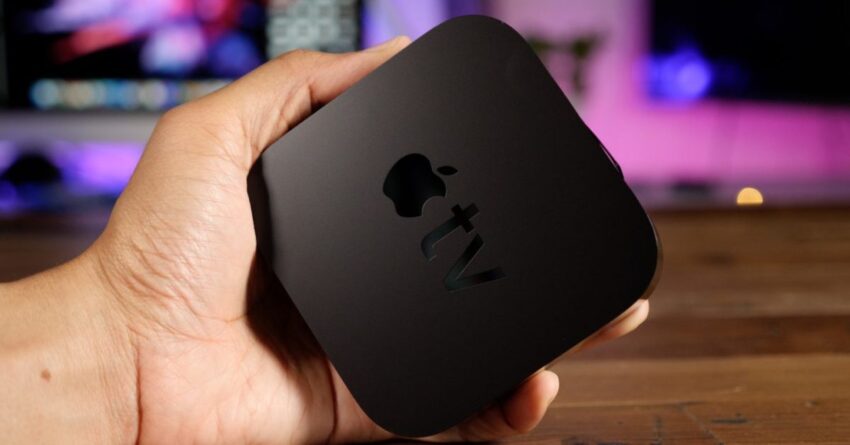
apple adds apple tv and ipad mini Apple has officially added several models of the Apple TV and iPad mini to its list of obsolete products, marking a significant shift in the lifecycle of these devices.
apple adds apple tv and ipad mini
Overview of Apple’s Obsolete Products Policy
Apple maintains a classification system for its products that categorizes them as either “vintage” or “obsolete.” This classification is crucial for consumers and service providers alike, as it determines the availability of support and parts for these devices. Vintage products are those that have not been manufactured for more than five years but less than seven years. Obsolete products, on the other hand, are those that have been out of production for more than seven years. Once a product is classified as obsolete, Apple ceases all hardware service and support for that device.
This policy reflects Apple’s commitment to innovation and the continuous advancement of technology. As new models are introduced, older devices inevitably become outdated, and the company must allocate resources to support current products. However, this decision can have significant implications for users who still rely on older devices for their daily tasks.
Recent Additions to the Obsolete List
On March 31, 2026, Apple updated its obsolete products list to include several models of the Apple TV HD, iPad mini, and MacBook Air. Specifically, the following models have been designated as obsolete:
- Apple TV HD (4th generation)
- iPad mini (1st generation)
- iPad mini (2nd generation)
- MacBook Air (11-inch, Mid 2013)
- MacBook Air (13-inch, Mid 2013)
This update indicates that these devices will no longer receive software updates, technical support, or hardware repairs from Apple. Users of these devices will need to consider alternatives if they encounter issues or require upgrades.
Implications for Users
The classification of these devices as obsolete can have several implications for users:
1. Lack of Support
Once a device is labeled as obsolete, Apple will not provide any further technical support. This means that users will not be able to seek assistance from Apple’s customer service for troubleshooting or repairs. For many users, this can be a significant inconvenience, especially if they rely on these devices for essential tasks.
2. Software Updates
Obsolete devices will no longer receive software updates, which can lead to security vulnerabilities. As new operating systems are released, older devices may not be compatible, leaving users exposed to potential risks. This is particularly concerning for devices that connect to the internet or store sensitive information.
3. Hardware Repairs
With the cessation of hardware support, users will find it increasingly difficult to repair their devices. Apple typically provides parts for vintage products for a limited time, but once a product is classified as obsolete, those parts are no longer available. This can lead to users needing to purchase new devices rather than repairing their existing ones.
Background on the Devices
To understand the significance of this update, it is essential to look at the history and impact of the devices being classified as obsolete.
Apple TV HD
The Apple TV HD, released in 2015, was a significant step forward for Apple in the streaming device market. It introduced features such as the App Store for Apple TV, allowing users to download various applications directly to their television. The device supported 1080p video, which was a standard at the time, and included Siri integration for voice commands. However, with the introduction of the Apple TV 4K, which supports higher resolutions and improved performance, the Apple TV HD has become less relevant in today’s streaming landscape.
iPad mini Models
The iPad mini has been a popular choice for users seeking a compact tablet experience. The first-generation iPad mini was released in 2012, followed by the second generation in 2013. Both models offered a smaller form factor compared to the standard iPad, making them more portable and easier to handle. However, as technology advanced, these models became outdated, lacking the processing power and features found in newer iPad models. The discontinuation of support for these older iPad mini models means that users will need to consider upgrading to newer versions to take advantage of the latest features and security updates.
MacBook Air (Mid 2013)
The MacBook Air models from mid-2013 were known for their lightweight design and portability. They were equipped with Intel processors and offered a solid performance for everyday tasks. However, as Apple transitioned to its own silicon chips, the performance and efficiency of newer MacBook models have significantly surpassed those of the 2013 models. Users of these MacBook Air models may find themselves limited in terms of software compatibility and performance, especially as newer applications are optimized for the latest hardware.
Stakeholder Reactions
The announcement of these obsolete classifications has elicited a range of reactions from stakeholders, including consumers, tech enthusiasts, and industry analysts.
Consumer Reactions
Many consumers have expressed disappointment regarding the classification of their devices as obsolete. Users who have invested in these products may feel abandoned, particularly if they have not experienced significant issues with their devices. Some users have taken to social media to voice their concerns, emphasizing the importance of continued support for older devices.
Tech Enthusiasts and Analysts
Industry analysts have noted that while the classification may seem harsh, it is a necessary step for Apple to focus on innovation and the development of new technologies. Tech enthusiasts understand that as devices age, they become less capable of supporting new software and features. This perspective highlights the balance between supporting legacy devices and pushing forward with advancements in technology.
Conclusion
The addition of the Apple TV HD, iPad mini, and MacBook Air models to Apple’s obsolete products list marks a significant transition for users of these devices. While the decision aligns with Apple’s strategy of promoting innovation, it raises important questions about the support and longevity of technology products in a rapidly evolving market. Users must now weigh their options regarding upgrades and replacements, as the lack of support for these obsolete devices could impact their daily usage and security.
As technology continues to advance, it will be essential for consumers to stay informed about the lifecycle of their devices and the implications of obsolescence. The transition to newer models may be necessary, but it is also a reminder of the fast-paced nature of the tech industry and the importance of adapting to change.
Source: Original report
Was this helpful?
Last Modified: April 1, 2026 at 12:43 am
3 views