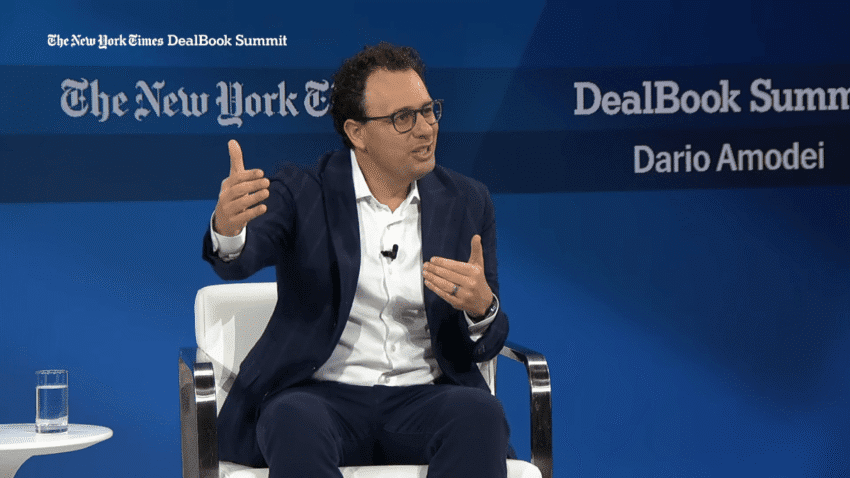
anthropic ceo weighs in on ai bubble Anthropic’s CEO recently addressed the ongoing discussions surrounding the economics of artificial intelligence (AI) and the varying levels of risk-taking exhibited by competitors in the industry.
anthropic ceo weighs in on ai bubble
The Current Landscape of AI Economics
The AI sector has witnessed exponential growth over the past few years, with significant investments pouring in from both private and public sectors. This surge has led to a burgeoning ecosystem of startups and established companies vying for dominance in the market. However, as the competition intensifies, concerns about the sustainability of this growth have emerged, prompting discussions about the so-called “AI bubble.”
In his remarks, the CEO of Anthropic emphasized the importance of understanding the economic realities underpinning AI development. He pointed out that while the potential for AI to revolutionize various industries is immense, the financial models supporting these ventures are still evolving. This uncertainty has led to a diverse range of strategies among companies, with some opting for aggressive spending in hopes of rapid returns.
The “YOLO” Spending Mentality
One of the more striking observations made by the CEO was the characterization of certain competitors as “YOLO-ing”—a colloquial term derived from the phrase “You Only Live Once.” This expression captures a mindset of taking significant risks without fully considering the potential consequences. In the context of AI, this translates to companies making substantial financial commitments in the hopes of achieving quick breakthroughs or market share.
This approach raises critical questions about the long-term viability of such strategies. While some companies may experience short-term gains, the lack of a sustainable financial model could lead to challenges down the line. The CEO noted that this kind of reckless spending could create a volatile environment, where companies are more focused on immediate results rather than building a solid foundation for future growth.
Risk and Reward in AI Development
The AI landscape is characterized by a delicate balance between risk and reward. Companies must navigate the complexities of technological advancement while also managing their financial health. The CEO highlighted that while innovation is crucial, it must be pursued with a sense of responsibility and foresight.
Investors and stakeholders are increasingly scrutinizing the financial practices of AI companies. As the market matures, there is a growing expectation for businesses to demonstrate not only technological prowess but also sound financial management. This shift in focus could lead to a reevaluation of what constitutes success in the AI sector.
The Role of Investors
Investors play a pivotal role in shaping the strategies of AI companies. The CEO pointed out that the current investment climate is marked by a mix of enthusiasm and caution. While there is a strong appetite for funding innovative AI projects, investors are also becoming more discerning about where they allocate their resources.
This duality creates a challenging environment for AI startups. On one hand, the potential for high returns can attract significant investment; on the other hand, the increasing scrutiny means that companies must be prepared to justify their spending and demonstrate a clear path to profitability.
Implications for the Future of AI
The discussions surrounding the economics of AI and the varying risk appetites among competitors have significant implications for the future of the industry. As companies navigate this complex landscape, several key trends are likely to emerge.
Increased Focus on Sustainability
As the AI market matures, there will likely be a shift towards more sustainable business practices. Companies that prioritize long-term growth over short-term gains may find themselves better positioned to weather economic fluctuations. This could involve reevaluating spending habits, investing in research and development, and fostering a culture of innovation that balances risk with responsibility.
Collaboration Over Competition
Given the challenges posed by aggressive competition, there may be a growing trend towards collaboration among AI companies. By pooling resources and expertise, companies can mitigate risks and enhance their chances of success. This collaborative approach could lead to the development of more robust AI solutions that benefit a wider range of industries.
Regulatory Considerations
As AI technology continues to evolve, regulatory frameworks will also need to adapt. Policymakers are increasingly recognizing the need for guidelines that address the ethical implications of AI, as well as the economic realities of the industry. Companies that proactively engage with regulators and demonstrate a commitment to ethical practices may gain a competitive advantage.
Stakeholder Reactions
The CEO’s comments have sparked a range of reactions from stakeholders across the AI ecosystem. Investors, industry analysts, and competitors have weighed in on the implications of his remarks, highlighting the importance of responsible spending in an increasingly competitive market.
Investor Perspectives
Many investors have expressed concern about the sustainability of the current investment climate in AI. The CEO’s observations about reckless spending resonate with those who prioritize financial prudence. Investors are increasingly looking for companies that can demonstrate a clear path to profitability, rather than relying solely on hype and market trends.
Industry Analysts’ Insights
Industry analysts have noted that the CEO’s comments reflect a broader trend towards caution in the AI sector. As more companies enter the market, the need for differentiation becomes paramount. Analysts suggest that companies that can articulate a clear value proposition and demonstrate responsible financial management will be better positioned for long-term success.
Competitor Reactions
Competitors in the AI space have also taken note of the CEO’s remarks. Some have defended their spending strategies, arguing that aggressive investment is necessary to stay ahead in a rapidly evolving market. Others have acknowledged the need for a more balanced approach, recognizing that the current climate may necessitate a reevaluation of their financial practices.
Conclusion
The ongoing discussions about the economics of AI and the risk-taking behaviors of competitors underscore the complexities of the industry. As companies navigate this landscape, the emphasis on responsible spending and sustainable growth will likely shape the future of AI development. The CEO of Anthropic has highlighted the need for a balanced approach that prioritizes innovation while also considering the long-term implications of financial decisions.
As the AI sector continues to evolve, it will be crucial for companies to adapt their strategies in response to changing market dynamics. By fostering a culture of collaboration, engaging with regulators, and demonstrating financial responsibility, AI companies can position themselves for success in an increasingly competitive environment.
Source: Original report
Was this helpful?
Last Modified: December 5, 2025 at 1:46 am
6 views