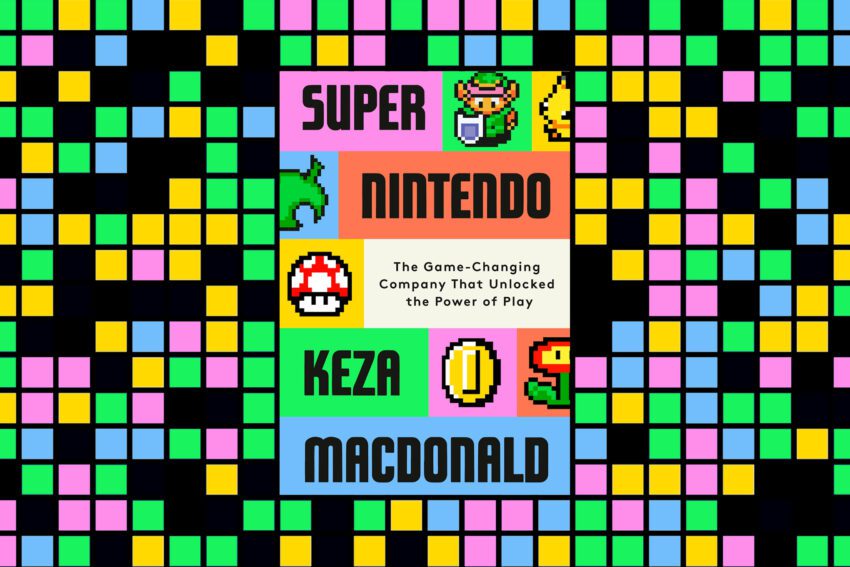
animal crossing started life as a dungeon Animal Crossing, a beloved franchise known for its charming gameplay and social simulation, has its origins rooted in a surprising concept: a dungeon crawler.
animal crossing started life as a dungeon
The Birth of a Concept
Despite the convoluted journey between concept and finished product, the essence of a video game often reflects the initial inspiration behind it. In the case of Animal Crossing, that inspiration stemmed from feelings of loneliness. Katsuya Eguchi, a key figure in the game’s development, left his home prefecture of Chiba, located east of Tokyo, to join Nintendo in 1986. The transition to Kyoto was challenging for him, as he struggled to adapt to a new environment and lifestyle.
Personal Experiences Shaping Game Design
Eguchi’s feelings of isolation during this period played a crucial role in shaping the game’s core themes. He found himself yearning for connection and community, sentiments that would eventually be woven into the fabric of Animal Crossing. This emotional backdrop provided a unique lens through which the game was developed, emphasizing social interaction and the importance of relationships in a virtual world.
Initially, Eguchi and his team envisioned a game that would incorporate elements of a dungeon crawler. The idea was to create a game where players would explore dungeons, battling enemies and collecting treasures. However, as development progressed, the focus shifted. The team realized that the emotional resonance of loneliness could be better expressed through a different gameplay experience—one that emphasized everyday life and community building.
Transitioning from Dungeon Crawlers to Life Simulation
The shift from a dungeon crawler to a life simulation game was not merely a change in gameplay mechanics; it represented a fundamental rethinking of what a video game could be. Instead of focusing on combat and treasure hunting, Animal Crossing would allow players to engage in activities that mirrored real-life experiences, such as fishing, gardening, and building relationships with anthropomorphic animal characters.
Gameplay Mechanics and Features
Animal Crossing introduced several innovative gameplay mechanics that set it apart from traditional video games. One of the most notable features was its real-time clock and calendar system. The game operates in sync with the real world, meaning that events and activities change based on the time of day and season. This feature not only added a layer of realism but also encouraged players to engage with the game regularly, fostering a sense of routine and connection.
The game’s open-ended nature allowed players to progress at their own pace, creating a personalized experience. Players could design their homes, interact with villagers, and participate in various seasonal events. This freedom of choice resonated with players, making them feel a sense of ownership over their virtual lives.
Community and Social Interaction
At the heart of Animal Crossing is the concept of community. The game encourages players to build relationships with their animal neighbors, each with distinct personalities and quirks. These interactions are not just superficial; they reflect the complexities of real-life friendships. Players can engage in conversations, help villagers with tasks, and even celebrate special occasions together.
The Role of Loneliness in Gameplay
Interestingly, the theme of loneliness continues to play a significant role in the gameplay experience. While players can form connections with their virtual neighbors, the game also acknowledges moments of solitude. This duality creates a rich emotional landscape, allowing players to explore their feelings of loneliness while simultaneously finding solace in the connections they forge within the game.
Evolution of the Franchise
Since its initial release in 2001, Animal Crossing has evolved significantly, with multiple sequels and spin-offs. Each iteration has introduced new features and expanded upon the core gameplay mechanics. For instance, Animal Crossing: Wild World introduced online multiplayer capabilities, allowing players to visit each other’s towns and interact in real-time. This innovation further emphasized the game’s focus on community and social interaction.
Animal Crossing: New Leaf, released in 2012, took the concept of player agency to new heights by allowing players to become the mayor of their town. This added layer of responsibility and decision-making deepened the player’s connection to the game world, reinforcing the themes of community and belonging.
Animal Crossing: New Horizons and the Pandemic
The most recent installment, Animal Crossing: New Horizons, released in March 2020, arrived at a time when many people were experiencing heightened feelings of isolation due to the COVID-19 pandemic. The game provided a much-needed escape, allowing players to create their own islands and cultivate a sense of community in a time of physical distancing. The timing of its release contributed to its immense popularity, as players sought solace and connection in a virtual world.
Implications for Game Design
The success of Animal Crossing has significant implications for the future of game design. It challenges traditional notions of what constitutes a video game, demonstrating that emotional resonance and social interaction can be just as engaging as combat and competition. This shift in focus has inspired other developers to explore similar themes, leading to a broader range of experiences within the gaming industry.
Stakeholder Reactions
Reactions from both players and industry stakeholders have highlighted the impact of Animal Crossing on the gaming landscape. Players have expressed gratitude for the game’s ability to provide comfort and connection during challenging times. Many have shared personal stories of how the game has helped them cope with feelings of loneliness and isolation.
Industry professionals have also taken note of the game’s success, with some citing it as a model for future game development. The emphasis on emotional storytelling and community building has resonated with developers looking to create more meaningful experiences for players.
Conclusion
Animal Crossing’s journey from a dungeon crawler concept to a life simulation phenomenon is a testament to the power of personal experiences in shaping creative endeavors. Katsuya Eguchi’s feelings of loneliness not only influenced the game’s design but also resonated with millions of players around the world. As the franchise continues to evolve, its emphasis on community, connection, and emotional resonance will likely inspire future generations of game developers and players alike.
Source: Original report
Was this helpful?
Last Modified: February 9, 2026 at 6:37 pm
8 views