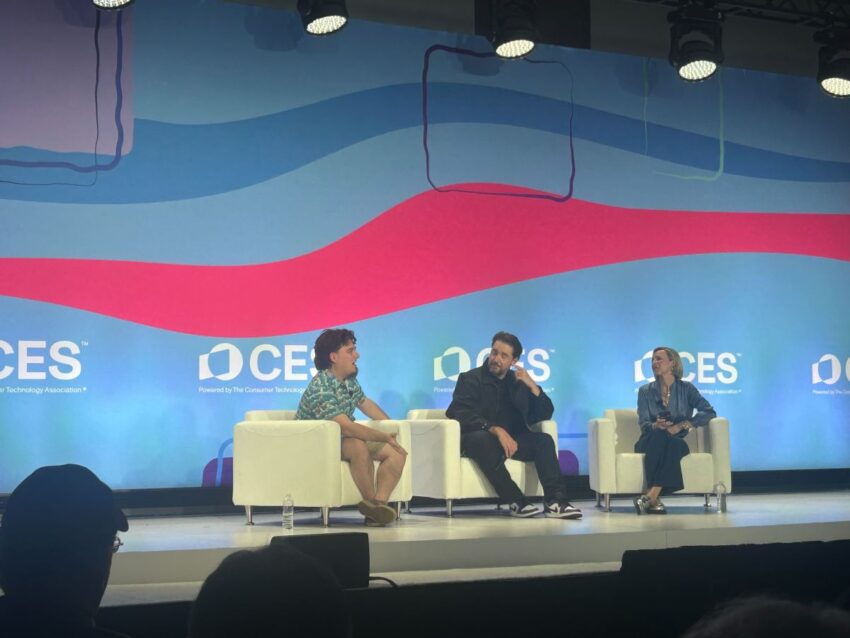
anduril s palmer luckey thinks the future Palmer Luckey, the founder of Oculus and current CEO of defense contractor Anduril, has expressed a belief that the future of technology may lie in revisiting and re-embracing past innovations.
anduril s palmer luckey thinks the future
Palmer Luckey’s Perspective on Technology
Palmer Luckey, known for his pioneering work in virtual reality (VR) with Oculus, has shifted his focus to the defense sector with Anduril Industries. In a recent discussion, he articulated a perspective that resonates with a growing sentiment among some tech leaders: that the golden age of innovation may have already occurred, and the future could benefit from a return to earlier technological principles and designs.
The Nostalgic Lens
During a conversation with Alexis Ohanian, co-founder of Reddit, Luckey reflected on the rapid pace of technological advancement and its implications. Both figures noted a sense of nostalgia for the simplicity and effectiveness of older technologies. This sentiment is not merely a longing for the past; it highlights a critical examination of contemporary tech trends that often prioritize complexity over usability.
Luckey’s comments suggest that as technology evolves, it sometimes loses sight of its core purpose: to enhance human experience and solve real-world problems. He posits that many modern innovations, while impressive in their capabilities, often complicate user experiences rather than simplify them.
The Role of Defense Technology
As the CEO of Anduril, a company focused on developing advanced defense technologies, Luckey’s perspective is particularly relevant. Anduril aims to leverage cutting-edge technology to address national security challenges. However, Luckey’s approach emphasizes that the solutions should not only be advanced but also practical and user-friendly.
Emphasizing Practicality
Luckey’s emphasis on practicality is evident in Anduril’s product offerings, which include autonomous drones and surveillance systems designed to enhance situational awareness for military and defense applications. These technologies are not just about being state-of-the-art; they are about being effective in real-world scenarios.
For instance, Luckey’s vision for Anduril involves creating systems that can be easily operated by personnel without extensive training. This focus on usability aligns with his belief that the future of technology should prioritize human factors, ensuring that innovations serve their intended purpose without unnecessary complexity.
Critique of Modern Tech Trends
Luckey and Ohanian’s discussion also touched on broader trends in the tech industry, including the increasing reliance on artificial intelligence (AI) and machine learning. While these technologies offer significant potential, Luckey expressed concern that they can sometimes lead to over-engineered solutions that prioritize technical sophistication over user experience.
The Dangers of Over-Engineering
Luckey’s critique of over-engineering is particularly pertinent in the context of defense technology. In high-stakes environments, such as military operations, the ability to quickly and effectively utilize technology can mean the difference between success and failure. Complex systems that require extensive training or have steep learning curves can hinder operational effectiveness.
By advocating for a return to simpler, more intuitive designs, Luckey is calling for a reevaluation of how technology is developed and implemented. This perspective challenges the prevailing notion that more advanced technology is inherently better, suggesting instead that effectiveness should be the primary measure of success.
Stakeholder Reactions
The conversation between Luckey and Ohanian has sparked discussions among various stakeholders in the tech industry. Some industry leaders have echoed Luckey’s sentiments, advocating for a more user-centric approach to technology development. This shift in focus could lead to innovations that are not only advanced but also accessible and practical for everyday users.
Support from Industry Peers
Support for Luckey’s perspective has emerged from various quarters, including entrepreneurs and engineers who have experienced the challenges posed by overly complex systems. Many agree that a return to simpler designs could foster greater innovation and user satisfaction.
For instance, several tech startups have begun to prioritize user experience in their product development processes, drawing inspiration from earlier technological paradigms. This trend reflects a growing recognition that technology should serve humanity, rather than complicate it.
Implications for the Future of Technology
Luckey’s insights raise important questions about the future trajectory of technology. As the industry continues to evolve, the challenge will be to balance innovation with usability. This balance is particularly crucial in sectors like defense, where the stakes are high, and the consequences of failure can be severe.
Potential for a Paradigm Shift
If Luckey’s vision gains traction, it could lead to a paradigm shift in how technology is developed and deployed. By prioritizing user experience and practicality, companies may find new opportunities for growth and innovation. This shift could also encourage collaboration between technologists and end-users, fostering a more inclusive approach to product development.
Moreover, this perspective could influence educational institutions and training programs, emphasizing the importance of usability in technology design. By instilling these values in the next generation of technologists, the industry may cultivate a workforce that prioritizes human-centered design principles.
The Broader Context of Technological Evolution
Luckey’s reflections on the past and future of technology also invite a broader examination of the historical context of technological evolution. Many of today’s most successful innovations have roots in earlier technologies. Understanding this lineage can provide valuable insights into how to navigate future challenges.
Lessons from History
Historically, many technological advancements have emerged from a desire to solve specific problems. For example, the development of the internet was driven by the need for better communication and information sharing. Similarly, the evolution of mobile devices was motivated by the desire for greater connectivity and accessibility.
Luckey’s emphasis on revisiting past innovations suggests that there may be valuable lessons to be learned from earlier technological eras. By examining what worked well in the past, technologists can identify principles that can be applied to contemporary challenges.
Conclusion
Palmer Luckey’s perspective on the future of technology serves as a reminder of the importance of simplicity and usability in innovation. As he continues to lead Anduril Industries, his focus on practical solutions may influence not only the defense sector but also the broader tech industry. By advocating for a return to foundational principles, Luckey is challenging the notion that complexity equates to progress.
As the tech landscape continues to evolve, the call for a more user-centric approach could pave the way for innovations that truly enhance human experience. The future of technology may indeed benefit from a thoughtful reflection on the past, leading to solutions that are not only advanced but also accessible and effective.
Source: Original report
Was this helpful?
Last Modified: January 9, 2026 at 12:45 pm
0 views