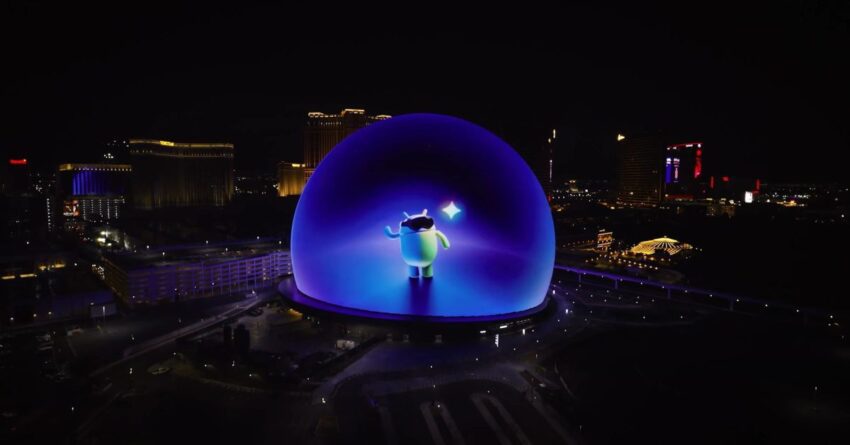
android xr is google s advertising focus At CES 2026, Google is not only continuing its emphasis on Google TV but is also spotlighting Android XR as a significant part of its advertising strategy.
android xr is google s advertising focus
Overview of CES 2026
The Consumer Electronics Show (CES) is one of the largest and most influential technology trade shows in the world, held annually in Las Vegas. This year, CES 2026 showcases a plethora of innovations across various sectors, including consumer electronics, automotive technology, smart home devices, and more. As a major player in the tech industry, Google has consistently used this platform to unveil its latest products and services, and CES 2026 is no exception.
Google’s Continued Focus on Google TV
For several years, Google TV has been at the forefront of Google’s presentations at CES. The platform has evolved significantly since its inception, aiming to provide a seamless streaming experience across various devices. Google TV integrates content from multiple streaming services, allowing users to access their favorite shows and movies in one place.
At CES 2026, Google reiterated its commitment to enhancing the Google TV experience. The company announced several new features aimed at improving user engagement and content discovery. These enhancements include:
- Improved AI Recommendations: Google is leveraging machine learning to provide more personalized content suggestions based on user preferences and viewing habits.
- Expanded Partnerships: Google has secured new partnerships with various streaming services, ensuring a broader range of content is available to users.
- User Interface Updates: The interface has been redesigned to make navigation more intuitive, allowing users to find content more easily.
These updates are part of Google’s broader strategy to compete with other streaming platforms, such as Apple TV and Amazon Prime Video, which have also made significant strides in recent years.
Introducing Android XR
Alongside Google TV, Android XR has emerged as a focal point for Google at CES 2026. Android XR represents a significant evolution in the Android ecosystem, integrating augmented reality (AR) and virtual reality (VR) capabilities into the platform. This move aligns with the growing trend of immersive technology, which is becoming increasingly prevalent in various sectors, including gaming, education, and remote work.
What is Android XR?
Android XR is designed to provide developers with tools to create immersive experiences that blend the physical and digital worlds. By leveraging AR and VR technologies, Android XR aims to enhance user interaction with applications and services. The platform supports a wide range of devices, from smartphones to dedicated AR/VR headsets, making it versatile for developers and users alike.
Key Features of Android XR
At CES 2026, Google highlighted several key features of Android XR:
- Cross-Platform Compatibility: Android XR is designed to work seamlessly across various devices, allowing developers to create applications that can run on smartphones, tablets, and AR/VR headsets without significant modifications.
- Enhanced Developer Tools: Google has introduced a suite of development tools specifically for Android XR, making it easier for developers to create and optimize immersive experiences.
- Integration with Google Services: Android XR applications can easily integrate with existing Google services, such as Google Maps and Google Assistant, providing users with a more cohesive experience.
Implications for Developers and Users
The introduction of Android XR has significant implications for both developers and users. For developers, the platform opens up new avenues for creativity and innovation. The enhanced tools and cross-platform compatibility mean that developers can reach a wider audience without the need for extensive reworking of their applications.
For users, Android XR promises a more immersive and engaging experience. As applications begin to leverage AR and VR capabilities, users can expect to interact with content in ways that were previously unimaginable. This could range from enhanced gaming experiences to more interactive educational tools, fundamentally changing how users consume and engage with digital content.
Stakeholder Reactions
The announcement of Android XR has garnered mixed reactions from industry stakeholders. Many developers have expressed excitement about the potential of the platform, particularly regarding the enhanced tools and resources provided by Google. The ability to create cross-platform applications is seen as a significant advantage in a competitive market.
However, some industry analysts have raised concerns about the timing of the launch. With the market for AR and VR still in its infancy, there are questions about whether there is sufficient demand for such applications. Additionally, the competition from established players in the AR/VR space, such as Meta (formerly Facebook) and Microsoft, poses challenges for Google as it seeks to carve out its niche.
Market Context and Future Outlook
The introduction of Android XR comes at a time when the AR and VR markets are experiencing rapid growth. According to recent reports, the global AR and VR market is projected to reach $300 billion by 2024, driven by advancements in technology and increasing adoption across various sectors. This growth presents a significant opportunity for Google as it seeks to establish Android XR as a leading platform in this emerging market.
Furthermore, as more companies invest in AR and VR technologies, the demand for compatible devices and applications is likely to increase. Google’s focus on Android XR positions the company to capitalize on this trend, potentially leading to new revenue streams and partnerships.
Conclusion
As CES 2026 unfolds, Google’s dual focus on Google TV and Android XR underscores the company’s commitment to innovation in the tech space. While Google TV continues to enhance the streaming experience for users, Android XR represents a bold step into the future of immersive technology. The implications of this new platform are far-reaching, with potential benefits for developers and users alike.
As the AR and VR markets continue to evolve, Google’s strategic positioning with Android XR may prove to be a pivotal move in shaping the future of digital interaction. The coming months will be crucial as developers begin to explore the capabilities of Android XR and as users start to experience the immersive applications that emerge from this new platform.
Source: Original report
Was this helpful?
Last Modified: January 6, 2026 at 9:44 am
3 views