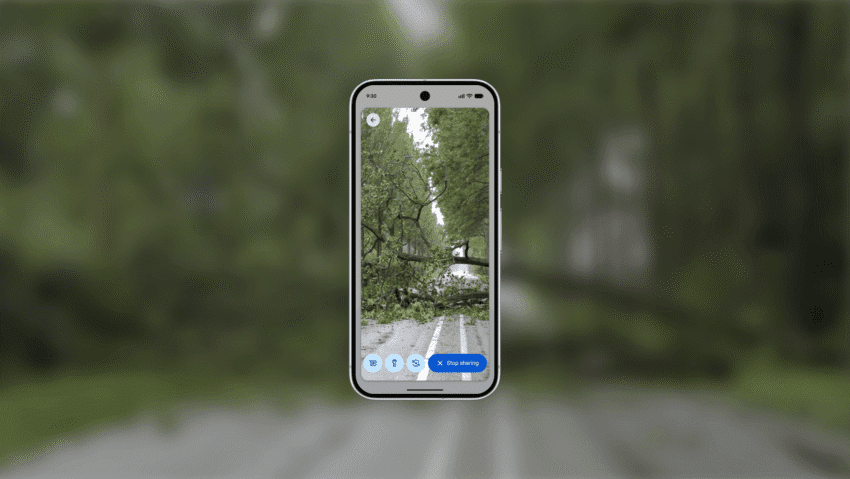
android users can now share a live A new feature coming to Android will allow users to get more support during emergencies by sharing a live video feed from their phone with 911 responders.
android users can now share a live
Overview of the New Feature
The introduction of the Emergency Live Video feature on Android represents a significant advancement in emergency response technology. This innovative capability aims to enhance the communication between callers and emergency responders, providing a visual context that can be crucial in urgent situations. By enabling users to share a live video feed during a 911 call, this feature allows responders to assess situations more accurately and provide real-time guidance.
How It Works
When a user initiates a 911 call, the emergency responder has the option to request a live video feed from the caller. This request is not automatic; the caller must approve the sharing of the video before it is transmitted. This consent mechanism ensures that users maintain control over their privacy while still benefiting from the enhanced support that live video can provide.
Once the video feed is activated, it is encrypted to protect the caller’s privacy. This encryption is crucial, as it ensures that sensitive information is not exposed to unauthorized parties during the emergency response process. The ability to share live video can be particularly beneficial in a variety of scenarios, such as medical emergencies, natural disasters, or situations where a caller may be disoriented or unable to articulate their circumstances clearly.
Potential Applications
The Emergency Live Video feature can be applied in numerous emergency situations, enhancing the effectiveness of the response. Here are some key scenarios where this technology could prove invaluable:
- Medical Emergencies: In cases where someone suffers a heart attack or other medical crisis, responders can guide the caller through critical first aid steps, such as CPR or the use of an automated external defibrillator (AED). The visual aspect allows responders to assess the patient’s condition more accurately.
- Search and Rescue: If a person is lost in a wilderness area or urban environment, the ability to share live video can help responders locate them more quickly. The caller can show their surroundings, which can assist in pinpointing their location.
- High-Stress Situations: In scenarios where individuals may be under duress, such as domestic violence incidents or hostage situations, a live video feed can provide responders with critical context that may not be conveyed through voice alone.
- Natural Disasters: During events like earthquakes, floods, or hurricanes, individuals can share real-time footage of their environment, helping responders understand the severity of the situation and prioritize resources effectively.
Stakeholder Reactions
The introduction of this feature has garnered a range of reactions from various stakeholders, including emergency responders, technology experts, and privacy advocates.
Emergency Responders
Many emergency responders have expressed enthusiasm about the potential of the Emergency Live Video feature. They believe that having access to real-time visual information can significantly improve their ability to assess situations and provide appropriate guidance. For instance, a paramedic could instruct a caller on how to stabilize an injured person while waiting for help to arrive. This could lead to better outcomes in critical situations.
Technology Experts
Experts in the field of technology have also weighed in on the implications of this feature. They note that while the potential benefits are substantial, there are also challenges that need to be addressed. For example, the reliability of mobile networks during emergencies can vary, which may affect the quality of the video feed. Additionally, the implementation of robust encryption measures is essential to ensure that the video data remains secure and private.
Privacy Advocates
Privacy advocates have raised concerns about the implications of sharing live video during emergency calls. While the feature includes a consent mechanism, there are still questions about how the data will be stored and who will have access to it. Ensuring that users’ privacy is protected will be crucial for the widespread acceptance of this technology. Advocates emphasize the need for clear policies outlining data usage and retention to alleviate public concerns.
Technical Considerations
The development of the Emergency Live Video feature involves several technical considerations that are critical to its success. These include:
- Network Reliability: The feature relies on stable mobile network connections. In emergency situations, networks can become congested, which may impact the quality of the video feed. Ensuring that the technology can function effectively under various network conditions is essential.
- Video Quality: The clarity of the video feed is vital for effective communication. Responders need to see details clearly to provide accurate guidance. Therefore, optimizing video compression and transmission protocols will be important.
- Device Compatibility: The feature must be compatible with a wide range of Android devices to ensure accessibility for all users. This includes older models that may not have the latest hardware capabilities.
Implications for Emergency Services
The introduction of the Emergency Live Video feature could have far-reaching implications for emergency services. By enhancing communication between callers and responders, this technology has the potential to improve response times and outcomes in critical situations. Here are some potential implications:
- Improved Training: Emergency responders may require additional training to effectively utilize the live video feature. This could involve learning how to interpret visual information and provide instructions based on what they see.
- Resource Allocation: With better situational awareness, emergency services may be able to allocate resources more effectively. For example, if responders can see that a situation is less severe than initially reported, they may be able to divert resources to more critical incidents.
- Public Awareness: The introduction of this feature may lead to increased public awareness about the importance of providing accurate information during emergency calls. Users may become more mindful of how they communicate their situations, knowing that responders can see what they are experiencing.
Future Developments
As the Emergency Live Video feature rolls out, it is likely that further developments will occur. Future iterations may include:
- Integration with Other Technologies: The feature could be integrated with other emergency response technologies, such as drones or automated dispatch systems, to enhance situational awareness further.
- Expansion to Other Platforms: While currently focused on Android, there may be plans to expand this feature to other operating systems, such as iOS, to ensure broader accessibility.
- Enhanced Analytics: The data collected from live video feeds could be analyzed to improve emergency response protocols and training programs, leading to better outcomes in the future.
Conclusion
The Emergency Live Video feature on Android represents a significant leap forward in emergency response capabilities. By allowing users to share live video feeds with 911 responders, this technology has the potential to improve communication, enhance situational awareness, and ultimately save lives. As stakeholders continue to navigate the challenges and opportunities presented by this feature, it will be essential to prioritize user privacy and data security to foster public trust and acceptance.
Source: Original report
Was this helpful?
Last Modified: December 10, 2025 at 10:38 pm
10 views