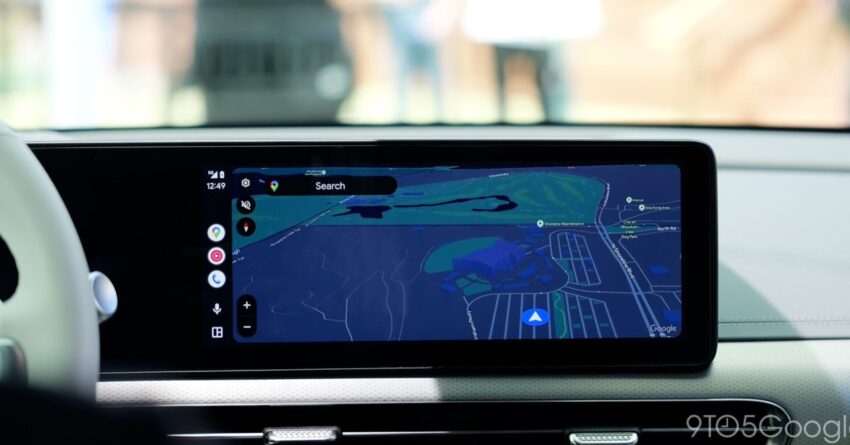
android auto bug causes your car to A recent bug in Android Auto has led to reports of vehicles disappearing from Google Maps, raising concerns among users about navigation reliability.
android auto bug causes your car to
Understanding the Android Auto Bug
Android Auto is a widely used platform that allows users to connect their Android devices to their car’s infotainment system, enabling access to apps, navigation, and communication features directly from the vehicle’s display. However, a new bug has emerged that causes a significant issue: vehicles are reportedly vanishing from Google Maps while using the Android Auto interface. This glitch has left many drivers puzzled and frustrated, as it impacts their ability to track their vehicles’ locations accurately.
Nature of the Bug
The bug appears to manifest sporadically, with users noticing that their vehicles are no longer visible on Google Maps when connected via Android Auto. While the core functionality of navigation and other features remains intact, the absence of the vehicle’s icon on the map can create confusion, especially for those relying on real-time tracking for navigation or safety purposes.
Implications for Users
The implications of this bug extend beyond mere inconvenience. For many drivers, the ability to see their vehicle’s location on a map is crucial for various reasons:
- Navigation Accuracy: Without a visible vehicle icon, users may struggle to determine their exact location, leading to potential navigation errors.
- Safety Concerns: For those using the feature for safety, such as parents tracking their teenage drivers, the inability to see the vehicle’s location can be alarming.
- Dependence on Technology: As vehicles become increasingly integrated with technology, users expect seamless functionality. Bugs like this can erode trust in the system.
Background on Android Auto
Android Auto was introduced by Google in 2015 as a way to enhance the driving experience by allowing users to access their smartphone features through their car’s dashboard. The platform supports a variety of applications, including navigation, music streaming, and messaging, all designed to minimize distractions while driving. Over the years, Android Auto has evolved, with updates aimed at improving user experience and expanding compatibility with various vehicle models.
Previous Issues and Fixes
While this is not the first time Android Auto has faced technical issues, the current bug highlights the ongoing challenges of software integration in modern vehicles. Previous problems have included connectivity issues, app crashes, and compatibility problems with certain car models. Google has typically responded to such issues with software updates and patches, but the speed and effectiveness of these solutions can vary.
Stakeholder Reactions
The response from users has been mixed, with many taking to online forums and social media to express their frustrations. Some users have reported that the bug seems to occur more frequently in specific vehicle models or under certain conditions, leading to speculation about the root cause of the issue.
User Feedback
Feedback from users has been largely negative, with many expressing their disappointment in the reliability of the Android Auto system. Comments on social media platforms and tech forums indicate a sense of urgency among users for a resolution. Some have noted that the bug has affected their daily commutes, while others have raised concerns about the implications for long-distance travel.
Google’s Response
As of now, Google has not issued an official statement regarding the bug. However, the company typically monitors user feedback and may be working on a fix behind the scenes. Users are encouraged to report their experiences through official channels, which can help Google identify patterns and expedite a resolution.
Technical Aspects of the Bug
From a technical standpoint, the bug may be linked to the way Android Auto interacts with Google Maps and the vehicle’s onboard systems. The integration of various software components can sometimes lead to unexpected behavior, especially when updates are rolled out. Understanding the underlying technology can provide insights into why such bugs occur.
Software Integration Challenges
Modern vehicles rely on a complex network of software systems that must work together seamlessly. Android Auto connects to the car’s infotainment system, which in turn communicates with various sensors and modules within the vehicle. Any disruption in this communication can lead to issues like the one currently being experienced. Factors such as software updates, compatibility with different car models, and even user settings can all contribute to the manifestation of bugs.
Potential Fixes
While the exact cause of the bug remains unclear, potential fixes may involve software updates from Google or adjustments to the vehicle’s settings. Users experiencing the issue are advised to check for updates to both the Android Auto app and their vehicle’s infotainment system. Additionally, restarting the device or re-establishing the connection between the phone and the car may temporarily resolve the issue.
Looking Ahead: Future of Android Auto
The ongoing development of Android Auto reflects broader trends in the automotive industry, where technology plays an increasingly central role. As vehicles become more connected, the importance of reliable software systems cannot be overstated. The current bug serves as a reminder of the challenges that come with integrating technology into everyday life.
Technological Advancements
Future iterations of Android Auto are likely to focus on enhancing user experience and addressing existing bugs more efficiently. As Google continues to invest in artificial intelligence and machine learning, the potential for smarter, more responsive systems could mitigate issues like the current bug. Improved algorithms may allow for better real-time tracking and navigation, reducing the likelihood of similar problems in the future.
Consumer Expectations
As consumers become more accustomed to advanced technology in their vehicles, expectations for reliability and performance will continue to rise. Users will demand not only functional features but also seamless integration and minimal disruptions. Companies like Google must prioritize user feedback and invest in robust testing to ensure that their products meet these expectations.
Conclusion
The bug causing vehicles to disappear from Google Maps while using Android Auto highlights the complexities of modern automotive technology. While the core functionalities remain operational, the absence of a visible vehicle icon can lead to confusion and frustration among users. As Google works to address this issue, the incident serves as a reminder of the ongoing challenges in integrating technology into everyday driving experiences. Users are encouraged to stay informed about updates and to report their experiences to facilitate a quicker resolution.
Source: Original report
Was this helpful?
Last Modified: February 5, 2026 at 3:58 am
0 views