amazon s grocery store dreams are reshaping Amazon is transforming the grocery shopping experience at Whole Foods with innovative technology and fulfillment strategies.
amazon s grocery store dreams are reshaping
Introduction to the Concept Store
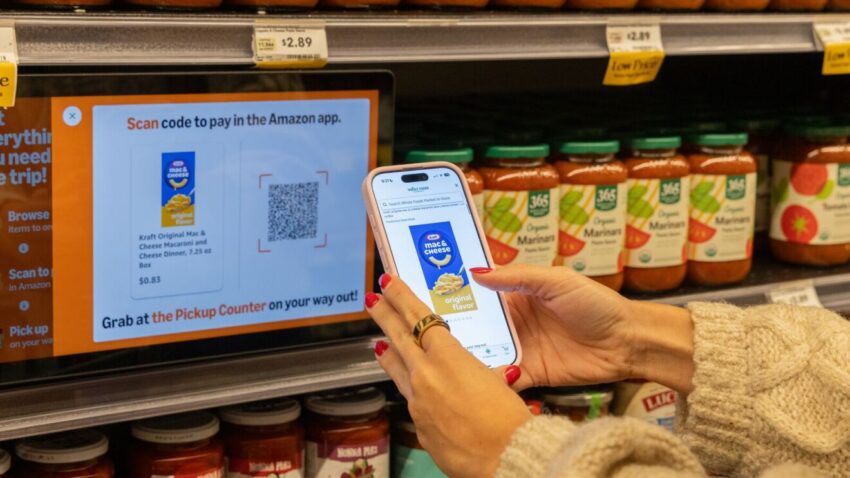
In a significant move to enhance its grocery offerings, Amazon has introduced a new concept store at a Whole Foods location in Plymouth Meeting, Pennsylvania. This store allows customers to access a wider variety of grocery items through a digital interface, utilizing QR codes to facilitate orders for products not typically found on Whole Foods shelves. This initiative represents Amazon’s ongoing efforts to integrate its grocery services with the Whole Foods brand, aiming to provide a more convenient shopping experience.
Innovative Technology and Features
The Plymouth Meeting Whole Foods features a built-in “microfulfillment center,” which is designed to house a range of products that extend beyond the traditional offerings of Whole Foods. Customers can scan QR codes located throughout the store to order items such as Kraft Mac & Cheese, Goldfish crackers, and Nestlé Drumsticks, which are typically associated with mainstream grocery stores rather than Whole Foods’ focus on organic and natural products.
How It Works
When a customer places an order through the Amazon Fresh platform, autonomous robots known as “ShopBots,” developed by a company called Fulfil, spring into action. These robots retrieve the ordered items from the microfulfillment center, streamlining the shopping process. Once the order is ready, customers receive a text notification, allowing them to pick up their items at the designated Amazon pickup and returns counter within the store.
Customer Experience
This innovative approach not only enhances the shopping experience but also allows Whole Foods to maintain its reputation for quality while expanding its product range. Customers can enjoy the convenience of ordering items that may not be available in-store, all while shopping in a familiar environment. As Amazon notes, the feedback gathered from this pilot location will be crucial in refining and expanding the concept to additional Whole Foods locations in the future.
Strategic Implications for Amazon and Whole Foods
The introduction of this concept store is part of a broader strategy by Amazon to integrate its grocery business with Whole Foods more closely. This integration has been evident in several recent developments:
- Leadership Changes: In January, Amazon appointed Whole Foods CEO Jason Buechel as the Vice President of Amazon’s grocery business. This move signifies a commitment to aligning the leadership of both entities to create a cohesive grocery strategy.
- Employee Integration: Amazon plans to transition Whole Foods’ corporate employees into Amazon’s workforce by December, further blurring the lines between the two brands.
Expanding the Grocery Ecosystem
Amazon’s grocery ecosystem is becoming increasingly interconnected. The company has launched various initiatives to enhance its grocery offerings, including the introduction of Amazon Fresh stores adjacent to Whole Foods locations in Chicago. This strategy aims to leverage the strengths of both brands while catering to a diverse customer base.
Market Reactions and Stakeholder Perspectives
The response to Amazon’s new concept store has been mixed, with various stakeholders expressing differing opinions on the implications of this strategy. Some industry analysts view this as a positive development, suggesting that it could lead to increased foot traffic and sales for Whole Foods. By offering a broader selection of products, Amazon may attract customers who typically shop at conventional grocery stores.
Consumer Sentiment
From a consumer perspective, the convenience of ordering items through QR codes and the efficiency of the ShopBot robots are likely to be well-received. Shoppers increasingly value convenience and speed, and this new model aligns with those preferences. However, there may be concerns about the potential dilution of Whole Foods’ brand identity as it incorporates more mainstream products.
Industry Analysts’ Views
Industry analysts have noted that Amazon’s strategy could lead to a significant shift in the grocery landscape. By merging the offerings of Whole Foods with its own grocery services, Amazon is positioning itself to compete more aggressively with traditional grocery chains. This could force competitors to rethink their strategies and adapt to the changing market dynamics.
Challenges Ahead
Despite the potential benefits, Amazon faces several challenges as it rolls out this concept store model. One of the primary concerns is maintaining the integrity of the Whole Foods brand. The company has built a reputation for high-quality, organic products, and the introduction of mainstream items could alienate some loyal customers.
Brand Identity Concerns
Whole Foods has long been associated with health-conscious consumers who prioritize organic and natural foods. The introduction of products like Kraft Mac & Cheese and Goldfish crackers may lead to questions about the store’s commitment to these values. Amazon will need to navigate this delicate balance carefully to avoid alienating its core customer base.
Operational Challenges
Additionally, the implementation of autonomous robots and microfulfillment centers presents operational challenges. Ensuring that the technology functions smoothly and efficiently will be crucial for customer satisfaction. Any hiccups in the ordering or retrieval process could lead to frustration and diminish the overall shopping experience.
Future Outlook
As Amazon gathers feedback from the Plymouth Meeting location, the company is likely to refine its approach and consider expanding the concept to other Whole Foods stores. The success of this initiative could pave the way for further innovations in grocery shopping, including the potential for more advanced technology and expanded product offerings.
Potential for Expansion
Should this concept prove successful, Amazon may look to replicate the model in other regions, tailoring the product selection to meet local preferences. This could involve a more extensive range of grocery items, catering to diverse consumer tastes while still emphasizing the quality that Whole Foods is known for.
Long-Term Implications for the Grocery Industry
The long-term implications of Amazon’s strategy could be profound. As the company continues to innovate and integrate its grocery services, traditional grocery chains may need to adapt to remain competitive. This could lead to a shift in how consumers approach grocery shopping, with an increasing emphasis on convenience and technology-driven solutions.
Conclusion
Amazon’s new concept store at Whole Foods in Plymouth Meeting represents a significant step in the evolution of grocery shopping. By leveraging technology and expanding product offerings, Amazon aims to create a more convenient and efficient shopping experience for consumers. However, the company must carefully navigate the challenges associated with maintaining Whole Foods’ brand identity while integrating mainstream products. As this initiative unfolds, it will be interesting to observe its impact on the grocery landscape and consumer behavior.
Source: Original report
Was this helpful?
Last Modified: November 5, 2025 at 11:36 pm
4 views