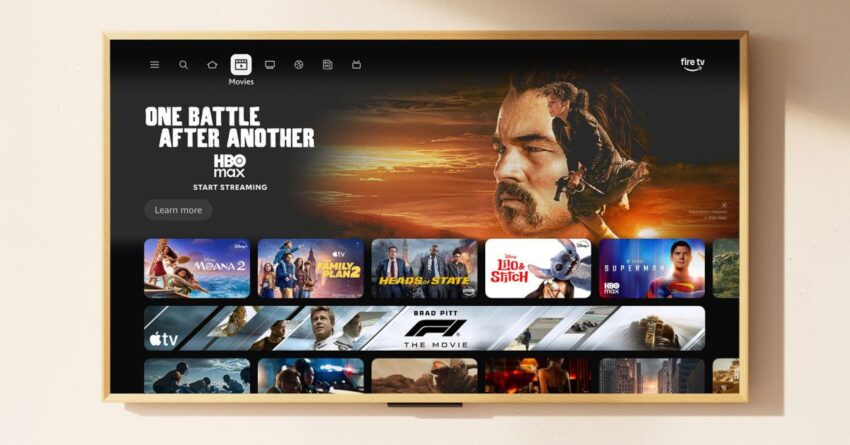
amazon fire tv redesign rolling out next Amazon is set to launch a redesigned homescreen for its Fire TV platform next month, closely resembling the interface of Google TV.
amazon fire tv redesign rolling out next
Overview of the Redesign
The upcoming redesign of the Amazon Fire TV homescreen marks a significant shift in the user interface, aiming to enhance user experience and streamline content discovery. Scheduled for rollout in February 2026, this update is expected to bring a fresh look and feel to the platform, which has been a staple in many households for streaming content. The new design is not just a cosmetic change; it reflects a broader trend in the streaming industry where user interface and experience play a crucial role in retaining subscribers and attracting new users.
Visual Similarities with Google TV
One of the most notable aspects of the Fire TV redesign is its striking resemblance to Google TV. This similarity has sparked discussions among users and industry analysts alike, raising questions about originality and competition in the streaming market. The new Fire TV interface will feature a more organized layout, with a focus on content recommendations, which is a hallmark of Google TV’s design philosophy.
The redesign will include:
- A centralized content hub that prioritizes personalized recommendations.
- Enhanced search functionality to make finding shows and movies more intuitive.
- Improved navigation options that allow users to access their favorite apps and services more easily.
These changes aim to create a more cohesive viewing experience, allowing users to discover new content without the hassle of navigating through multiple menus.
Implications for Users
The redesign is expected to have several implications for Fire TV users. First and foremost, the enhanced personalization features could lead to a more tailored viewing experience. By leveraging user data and viewing habits, Amazon aims to provide recommendations that resonate more with individual preferences. This could potentially increase user engagement and satisfaction, as viewers are more likely to find content that aligns with their interests.
Content Discovery and User Engagement
Content discovery has become a critical factor in the streaming landscape, where an overwhelming amount of options can lead to decision fatigue. The new Fire TV homescreen is designed to alleviate this issue by presenting users with curated selections based on their viewing history and preferences. This approach mirrors the successful strategies employed by Google TV, which has been praised for its ability to surface relevant content effectively.
Moreover, the redesign could also encourage users to explore more content across various genres and platforms, thereby increasing the overall consumption of media. As users become more accustomed to personalized recommendations, they may find themselves discovering shows and movies they might not have considered otherwise.
Stakeholder Reactions
The announcement of the Fire TV redesign has elicited a range of reactions from stakeholders, including users, industry analysts, and competitors. Many users have expressed excitement about the upcoming changes, particularly the promise of a more user-friendly interface. However, there are also concerns regarding the extent to which the redesign mirrors Google TV, with some users questioning the originality of Amazon’s approach.
Industry Analysts Weigh In
Industry analysts have noted that the redesign could be a strategic move by Amazon to compete more effectively in the crowded streaming market. As more consumers turn to streaming services for their entertainment needs, companies must continuously innovate to retain their user base. The Fire TV redesign could be seen as Amazon’s response to the growing popularity of Google TV and other platforms that prioritize user experience.
Analysts also point out that while the similarities between the two interfaces may raise eyebrows, they also reflect a broader trend in the industry where companies are adopting best practices to enhance user engagement. This could lead to a more standardized experience across different platforms, ultimately benefiting consumers.
Technical Aspects of the Redesign
From a technical perspective, the Fire TV redesign is expected to leverage Amazon’s robust cloud infrastructure to deliver a seamless experience. The platform will likely utilize machine learning algorithms to analyze user behavior and preferences, allowing for real-time adjustments to content recommendations. This technological backbone will be crucial in ensuring that the new interface operates smoothly and efficiently.
Performance Enhancements
In addition to the visual overhaul, users can anticipate performance enhancements that accompany the redesign. Faster load times, improved responsiveness, and optimized app performance are all expected features of the new Fire TV homescreen. These enhancements are vital for maintaining user satisfaction, as any lag or delay can detract from the overall viewing experience.
Comparative Analysis with Google TV
To fully understand the implications of the Fire TV redesign, it is essential to compare it with Google TV. Both platforms aim to provide a user-friendly experience, but they approach content discovery and navigation differently. Google TV has been lauded for its ability to integrate various streaming services into a single interface, allowing users to search for content across platforms without switching apps.
In contrast, Amazon’s Fire TV has traditionally focused on promoting its own content and services, such as Prime Video. The new redesign may signal a shift in strategy, as Amazon appears to be prioritizing user experience over content promotion. This could lead to a more balanced approach that benefits both users and content providers.
Future of Streaming Interfaces
The Fire TV redesign is part of a larger trend in the streaming industry, where user interfaces are evolving to meet the changing needs of consumers. As viewers become more discerning and demand greater personalization, streaming platforms must adapt to stay relevant. The similarities between Fire TV and Google TV may indicate a convergence in design philosophies, where the best features from various platforms are adopted to enhance user experience.
Conclusion
As Amazon prepares to roll out its redesigned Fire TV homescreen, the streaming landscape is poised for a shift. The new interface, which bears a striking resemblance to Google TV, aims to improve content discovery and user engagement through enhanced personalization and streamlined navigation. While the similarities may raise questions about originality, they also reflect a broader trend in the industry toward user-centric design.
For users, the redesign promises a more tailored viewing experience, potentially increasing satisfaction and engagement with the platform. As the competition among streaming services intensifies, innovations like the Fire TV redesign will be crucial for retaining users and attracting new subscribers. The coming months will reveal how effectively Amazon can implement these changes and whether they will resonate with its user base.
Source: Original report
Was this helpful?
Last Modified: January 6, 2026 at 9:41 am
5 views