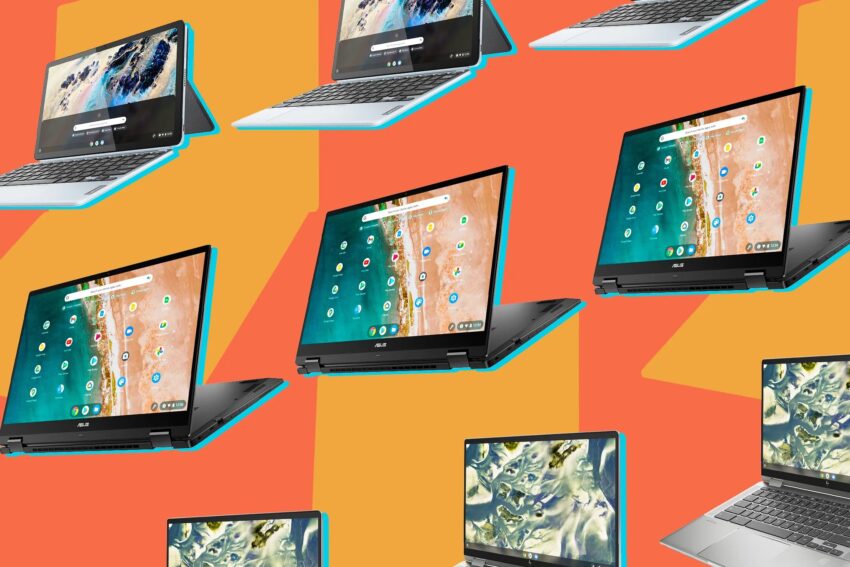
aluminium why google s android for pc Google’s upcoming integration of Android and ChromeOS into a unified operating system, tentatively named Aluminium, has generated significant excitement and speculation within the tech community.
aluminium why google s android for pc
Background on Android and ChromeOS
Android and ChromeOS have long occupied distinct niches within the Google ecosystem. Android, primarily designed for mobile devices, has faced challenges in gaining traction on tablets and larger screens. Despite its dominance in the smartphone market, Android’s performance on tablets has been lackluster, often criticized for its inability to leverage the larger display effectively.
On the other hand, ChromeOS, which powers Chromebooks, has been viewed as a lightweight alternative to traditional operating systems like Windows and macOS. While it offers a streamlined experience primarily centered around web applications, many users have found it lacking in functionality for more demanding tasks. The combination of these two operating systems into Aluminium aims to address these shortcomings and create a more versatile platform.
Initial Reactions to Aluminium
The announcement of Aluminium has sparked a wave of enthusiasm among tech enthusiasts and industry analysts. The prospect of a unified operating system that combines the strengths of both Android and ChromeOS is appealing. Many see it as a potential game-changer, particularly for users who have been waiting for a more robust tablet experience that rivals the capabilities of traditional laptops.
However, the excitement is tempered by concerns about the execution of this ambitious project. The integration of two distinct operating systems poses significant challenges, and there are fears that the transition may not be as seamless as anticipated.
Potential Challenges Ahead
As Google moves forward with the development of Aluminium, several challenges loom on the horizon. One of the most pressing issues is compatibility. Merging Android and ChromeOS means that developers will need to ensure their applications function correctly across both platforms. This could lead to fragmentation, where certain apps work well on one system but not the other, frustrating users and developers alike.
Moreover, the user experience is a critical consideration. Each operating system has its own interface and design philosophy. Striking the right balance between the two while creating a cohesive user experience will be a daunting task. If not handled carefully, users may find themselves confused by an inconsistent interface that fails to leverage the strengths of either platform.
Market Competition
Another factor complicating the launch of Aluminium is the competitive landscape. Microsoft and Apple have established strong footholds in the laptop and tablet markets with Windows and macOS, respectively. Both companies have invested heavily in optimizing their operating systems for various devices, making it challenging for Google to carve out a significant share of the market.
To succeed, Aluminium will need to offer compelling features that differentiate it from existing options. This could include enhanced multitasking capabilities, better integration of applications, and improved performance on a range of devices. Without these key differentiators, Aluminium risks being perceived as just another operating system in an already crowded market.
Stakeholder Reactions
The tech community’s response to the news of Aluminium has been mixed. While many are optimistic about the potential benefits of a unified operating system, others express skepticism regarding Google’s ability to execute such a significant transition. Industry analysts have pointed out that Google’s track record with software integration has been inconsistent, raising concerns about whether Aluminium will meet user expectations.
Developers, in particular, are watching closely. The success of Aluminium will depend heavily on the willingness of developers to create applications that take full advantage of the new operating system’s capabilities. If developers are hesitant to invest time and resources into creating apps for Aluminium, the platform could struggle to gain traction.
Consumer Expectations
Consumers are also weighing in on the potential launch of Aluminium. Many users who have invested in Android tablets or Chromebooks are eager for a more robust experience that combines the best features of both systems. However, there is also a palpable sense of caution among consumers who have witnessed previous Google initiatives falter or fail to deliver on their promises.
For Aluminium to succeed, Google must not only meet but exceed consumer expectations. This means delivering a stable, feature-rich operating system that offers a seamless experience across devices. If Google can achieve this, it may win over skeptics and establish Aluminium as a legitimate competitor in the operating system market.
Implications for the Future of Computing
The launch of Aluminium could have far-reaching implications for the future of computing. If successful, it may signal a shift toward more integrated operating systems that blur the lines between mobile and desktop experiences. This could pave the way for new types of devices that leverage the strengths of both Android and ChromeOS, leading to innovative form factors and usage scenarios.
Furthermore, a successful launch could encourage other tech companies to explore similar integrations. As the lines between mobile and desktop computing continue to blur, the demand for versatile operating systems that can adapt to various use cases is likely to grow. Aluminium could serve as a model for future developments in the industry.
Conclusion
In summary, Google’s Aluminium OS represents an exciting yet challenging venture into the realm of unified operating systems. While the potential benefits of combining Android and ChromeOS are significant, the path to a successful launch is fraught with obstacles. Compatibility issues, user experience concerns, and market competition will all play critical roles in determining the fate of Aluminium.
As the tech community eagerly awaits further developments, it remains to be seen whether Google can navigate these challenges and deliver a product that meets the high expectations of both consumers and developers. The future of Aluminium is still uncertain, but its implications for the computing landscape could be profound.
Source: Original report
Was this helpful?
Last Modified: February 3, 2026 at 8:58 pm
0 views