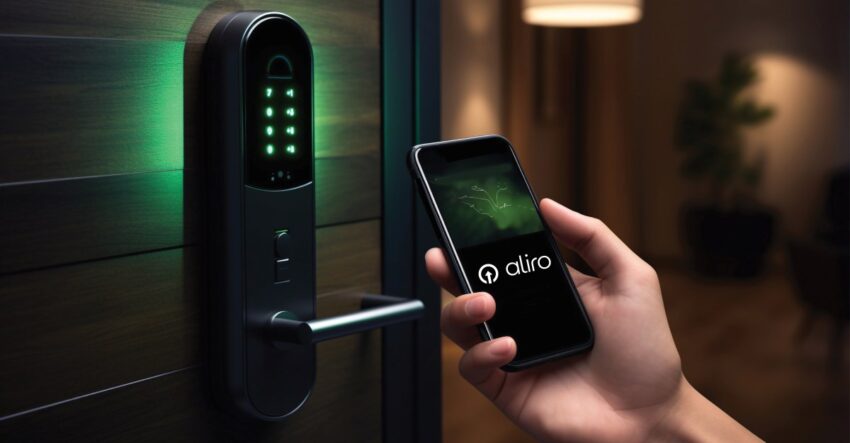
The long-awaited Aliro standard for smart locks is set to launch this year, promising to enhance the way users interact with their home security systems.
Introduction to Aliro
The Aliro standard represents a significant advancement in smart lock technology, aiming to unify various communication protocols for digital keys. Developed by the Connectivity Standards Alliance (CSA), Aliro is designed to standardize the use of Near Field Communication (NFC) and Ultra-Wideband (UWB) technologies in smart locks. This initiative seeks to simplify and enhance user experiences by allowing smartphones and wearables to function as digital keys.
Background and Development
The journey to the launch of the Aliro standard has been lengthy and complex. Originally anticipated to debut much earlier, the initiative faced several delays due to the intricacies involved in developing a universal standard that could be adopted across various platforms and devices. The CSA, which oversees the development of this standard, has been working diligently to ensure that Aliro meets the needs of both manufacturers and consumers.
Nelson Henry, Chair of the Aliro Steering Committee, expressed enthusiasm about the upcoming launch. “We’re delighted to share that Aliro, the CSA’s standardized credential and communication protocol that lets trusted smartphones and wearables act as digital keys with smart locks and readers in your home and where you badge, has passed its final verification milestone and will come to market in Q1 2026,” he stated in an interview with The Verge.
Key Features of Aliro
The Aliro standard encompasses several key features that set it apart from existing smart lock technologies:
- NFC-Based Tap-to-Unlock: This feature allows users to unlock their smart locks simply by tapping their smartphones or wearables against the lock. This method is not only convenient but also enhances security by ensuring that only authorized devices can unlock the door.
- UWB Hands-Free Unlocking: Ultra-Wideband technology enables users to unlock their doors without needing to physically interact with their devices. By detecting the proximity of a user’s smartphone, the lock can automatically unlock as the user approaches, providing a seamless entry experience.
- Interoperability: One of the primary goals of Aliro is to ensure that devices from different manufacturers can work together. This interoperability is crucial for consumers who may own devices from various brands and want them to function cohesively.
- Enhanced Security Protocols: The standard incorporates advanced security measures to protect against unauthorized access. This includes encryption and secure credential management, ensuring that digital keys cannot be easily replicated or hacked.
Implications for Consumers
The launch of the Aliro standard is expected to have significant implications for consumers. As smart locks become more prevalent in homes and businesses, the need for a standardized approach to digital key management becomes increasingly important. With Aliro, users can expect a more streamlined experience when it comes to accessing their properties.
Moreover, the introduction of a unified standard may lead to increased competition among manufacturers. As more companies adopt the Aliro standard, consumers will likely benefit from a wider range of products and features. This could drive innovation in the smart lock market, leading to improved designs and functionalities that cater to diverse consumer needs.
Industry Reactions
The announcement of the Aliro standard has garnered attention from various stakeholders in the technology and security sectors. Manufacturers of smart locks are particularly optimistic about the potential for increased sales and market growth. By adopting a standardized protocol, companies can streamline their development processes and reduce costs associated with creating proprietary systems.
Security experts have also weighed in on the significance of Aliro. Many believe that a standardized approach to smart locks will enhance overall security in the market. With a common framework in place, it becomes easier to implement robust security measures that can protect against emerging threats.
Challenges Ahead
Despite the excitement surrounding the Aliro standard, challenges remain. One of the primary concerns is the transition period for existing smart lock users. Many households and businesses have already invested in proprietary systems that may not be compatible with the new standard. The CSA and manufacturers will need to address these compatibility issues to ensure a smooth transition for consumers.
Additionally, there is the challenge of consumer education. As smart lock technology evolves, users must understand how to utilize the new features effectively. Manufacturers will need to invest in marketing and educational resources to help consumers navigate the changes brought about by the Aliro standard.
Future Prospects
The launch of the Aliro standard is just the beginning. As the smart lock market continues to evolve, there are several potential developments on the horizon:
- Integration with Smart Home Ecosystems: As more consumers adopt smart home technologies, the integration of smart locks with other devices will become increasingly important. Aliro’s interoperability could facilitate seamless connections between locks, cameras, alarms, and other smart home devices.
- Expansion of Use Cases: Beyond residential applications, the Aliro standard could find its way into commercial settings, such as offices and hotels. This could lead to new business models and revenue streams for manufacturers.
- Advancements in Security Features: As cyber threats evolve, so too must the security measures associated with smart locks. Future iterations of the Aliro standard may incorporate even more advanced security protocols to safeguard against potential vulnerabilities.
Conclusion
The imminent launch of the Aliro standard marks a pivotal moment in the evolution of smart lock technology. By standardizing communication protocols for digital keys, Aliro promises to enhance user experiences, improve security, and foster innovation within the industry. As stakeholders prepare for the rollout, the focus will be on ensuring compatibility, educating consumers, and addressing the challenges that lie ahead. The future of smart locks looks promising, and Aliro is poised to play a central role in shaping that future.
Source: Original report
Was this helpful?
Last Modified: January 5, 2026 at 5:40 am
7 views