aided by ai california beach town broadens A California beach town is set to implement an innovative AI system for monitoring bike lane violations, marking a significant step in urban mobility and safety.
aided by ai california beach town broadens
Introduction to AI in Urban Enforcement
As cities across the United States grapple with increasing traffic congestion and the need for safer cycling infrastructure, innovative solutions are emerging to address these challenges. One such solution is the use of artificial intelligence (AI) in municipal parking enforcement. This spring, Santa Monica, a coastal city in Southern California, will become the first city in the nation to deploy AI-powered cameras in its parking enforcement vehicles specifically to identify potential bike lane violations. This initiative aims to enhance safety for cyclists and promote responsible parking practices.
The Implementation of AI Technology
Overview of the Initiative
Beginning in April, Santa Monica will integrate Hayden AI’s advanced scanning technology into seven vehicles within its parking enforcement fleet. This deployment represents a significant expansion of similar technology that has already been utilized on city buses. The goal is to streamline the identification of vehicles parked illegally in bike lanes, which poses a hazard to cyclists and undermines the city’s efforts to promote cycling as a viable mode of transportation.
How the Technology Works
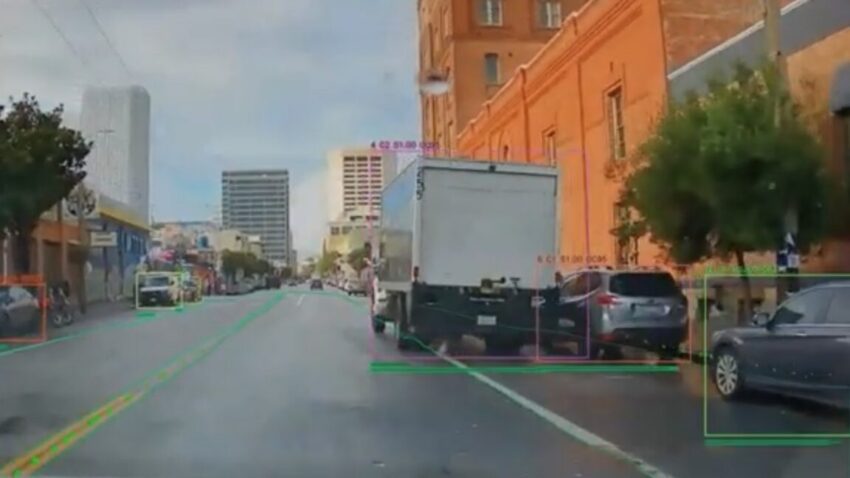
The AI system developed by Hayden AI utilizes sophisticated algorithms and machine learning techniques to analyze real-time video feeds from the cameras mounted on the enforcement vehicles. These cameras are capable of scanning the surroundings and identifying vehicles that are obstructing bike lanes. The technology is designed to differentiate between legal and illegal parking, thereby reducing the burden on human enforcement officers and increasing the efficiency of the enforcement process.
Implications for Cyclists and Urban Mobility
Enhancing Safety for Cyclists
One of the primary objectives of this initiative is to enhance safety for cyclists in Santa Monica. According to Charley Territo, chief growth officer at Hayden AI, “The more we can reduce the amount of illegal parking, the safer we can make it for bike riders.” Illegal parking in bike lanes can lead to dangerous situations for cyclists, who may be forced to navigate around parked vehicles, increasing their risk of accidents. By effectively monitoring and addressing these violations, the city aims to create a safer environment for all road users.
Promoting Cycling as a Transportation Option
In addition to enhancing safety, the initiative is part of a broader effort to promote cycling as a sustainable and efficient mode of transportation. Santa Monica has been actively working to improve its cycling infrastructure, including the expansion of bike lanes and the implementation of bike-sharing programs. By ensuring that bike lanes remain clear of obstructions, the city hopes to encourage more residents and visitors to choose cycling over driving, thereby reducing traffic congestion and lowering carbon emissions.
Stakeholder Reactions
City Officials and Community Feedback
The response from city officials and community members has been largely positive. Many see the deployment of AI technology as a forward-thinking approach to urban management. Local officials have expressed optimism that this initiative will not only improve safety but also enhance the overall quality of life in Santa Monica. The city has been recognized for its commitment to sustainability and innovation, and this initiative aligns with those values.
Concerns and Considerations
Despite the enthusiasm surrounding the initiative, there are also concerns regarding privacy and the potential for overreach in surveillance. Some community members have raised questions about how the data collected by the AI system will be used and stored. Ensuring transparency and accountability in the use of such technology will be crucial in addressing these concerns. City officials have indicated that they are committed to safeguarding residents’ privacy while leveraging technology to improve urban safety.
Broader Context of AI in Urban Planning
Trends in Smart City Initiatives
The deployment of AI in Santa Monica is part of a larger trend toward the adoption of smart city technologies across the globe. Cities are increasingly turning to data-driven solutions to address urban challenges, from traffic management to waste collection. The integration of AI into municipal operations is seen as a way to enhance efficiency, improve public safety, and create more livable urban environments.
Lessons from Other Cities
Other cities have begun exploring similar technologies to improve urban mobility and safety. For instance, cities like San Francisco and New York have implemented various forms of automated enforcement to address parking violations and enhance pedestrian safety. These initiatives have yielded mixed results, highlighting the importance of careful planning and community engagement in the deployment of new technologies.
Future Prospects and Potential Expansion
Scaling the Initiative
As Santa Monica moves forward with this AI-powered enforcement initiative, there is potential for expansion beyond bike lane monitoring. The technology could be adapted to address other urban challenges, such as monitoring pedestrian crosswalks or identifying vehicles parked in designated loading zones. The scalability of AI solutions presents an opportunity for cities to enhance their enforcement capabilities across multiple domains.
Collaborative Efforts with Other Municipalities
Santa Monica’s initiative may also pave the way for collaboration with other municipalities interested in adopting similar technologies. Sharing best practices and lessons learned from the implementation process could help accelerate the adoption of AI solutions in urban planning and enforcement across the country. As cities face similar challenges related to traffic congestion and safety, collaborative efforts could lead to more effective and innovative solutions.
Conclusion
The deployment of AI-powered cameras in Santa Monica’s parking enforcement vehicles marks a significant advancement in the city’s efforts to enhance cycling safety and promote sustainable transportation. By leveraging technology to monitor bike lane violations, Santa Monica is taking proactive steps to create a safer environment for cyclists and encourage responsible parking practices. As the initiative unfolds, it will be essential to address community concerns regarding privacy and ensure that the technology is used responsibly. The success of this initiative could serve as a model for other cities looking to integrate AI into their urban management strategies, ultimately contributing to safer and more efficient urban environments.
Source: Original report
Was this helpful?
Last Modified: February 14, 2026 at 12:36 pm
4 views