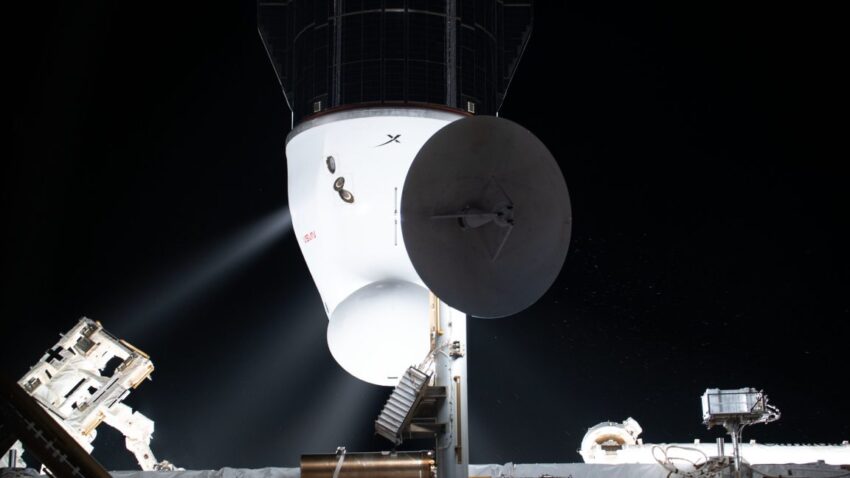
after key russian launch site is damaged NASA is expediting its Cargo Dragon supply missions to the International Space Station (ISS) following damage to a crucial Russian launch pad.
after key russian launch site is damaged
Background on the Situation
The International Space Station has been a collaborative effort involving multiple space agencies, including NASA, Roscosmos (Russia’s space agency), ESA (European Space Agency), JAXA (Japan Aerospace Exploration Agency), and CSA (Canadian Space Agency). The ISS has served as a microgravity laboratory for scientific research and international cooperation since its first module was launched in 1998. The station relies on regular resupply missions to maintain its operations and support the astronauts living and working aboard.
NASA’s Cargo Dragon spacecraft, developed by SpaceX, has been a vital component of the ISS resupply efforts. These missions are part of NASA’s Commercial Resupply Services (CRS) program, which aims to provide regular cargo deliveries to the ISS. The Cargo Dragon spacecraft is designed to carry both pressurized and unpressurized cargo, making it versatile for various supply needs.
Impact of the Russian Launch Pad Incident
The recent incident at the Baikonur Cosmodrome in Kazakhstan, a historic launch site for Russian space missions, has prompted NASA to adjust its supply schedule. On Thanksgiving Day, a launch pad at Baikonur was damaged, although specific details about the incident remain unclear. This damage has significant implications for Russia’s ability to launch missions, which in turn affects the ISS’s supply chain.
Russia has traditionally played a crucial role in transporting astronauts and supplies to the ISS. The Soyuz spacecraft, launched from Baikonur, has been a reliable means of crew transport. However, with the launch pad now out of commission, the Russian space agency may face delays in its scheduled missions, thereby impacting the overall logistics of the ISS.
NASA’s Accelerated Schedule
In response to the uncertainty surrounding Russian launches, NASA has decided to accelerate its own supply missions. According to internal schedules, the upcoming Cargo Dragon mission, designated CRS-34, has been moved up from June 2026 to May 2026. This adjustment allows for an earlier delivery of essential supplies to the ISS, ensuring that astronauts have what they need to continue their research and daily activities.
Furthermore, the subsequent mission, CRS-35, has also been advanced. Originally slated for November 2026, it will now take place in August 2026. These changes reflect NASA’s proactive approach to mitigate any potential shortages that could arise due to the disruption in Russian launch capabilities.
Details of the Cargo Dragon Missions
The Cargo Dragon spacecraft is designed to carry a variety of cargo, including scientific experiments, equipment, and supplies necessary for the astronauts aboard the ISS. Each mission typically includes:
- Pressurized cargo: This includes food, water, and scientific experiments that require a controlled environment.
- Unpressurized cargo: This consists of larger items such as spare parts and equipment that can be stored in the Dragon’s trunk.
- Return cargo: The Dragon spacecraft is also capable of returning cargo back to Earth, which is essential for bringing back scientific samples and experiments.
NASA’s decision to accelerate these missions underscores the importance of maintaining a steady flow of supplies to the ISS. With the current crew aboard the station relying on timely deliveries, any delays could hinder ongoing research projects and the overall mission objectives of the ISS.
Stakeholder Reactions
The response to the accelerated schedule has been largely positive among stakeholders in the space community. NASA officials have expressed confidence in SpaceX’s ability to meet the new launch timelines. SpaceX has a proven track record of successful Cargo Dragon missions, and its partnership with NASA has been instrumental in the agency’s efforts to maintain a robust supply chain for the ISS.
However, there are concerns regarding the long-term implications of the Russian launch pad incident. Experts have noted that while NASA’s adjustments provide a temporary solution, the situation highlights the vulnerabilities in the ISS’s supply chain, particularly the reliance on multiple countries for resupply missions.
Future Considerations
As NASA accelerates its Cargo Dragon missions, it is also essential to consider the broader implications for international collaboration in space. The ISS has been a symbol of cooperation among nations, and disruptions in one country’s launch capabilities can reverberate throughout the entire program. This incident may prompt discussions among international partners about diversifying supply routes and enhancing redundancy in logistics to ensure the ISS’s continued operation.
Moreover, the incident at Baikonur raises questions about the future of Russian space endeavors. The Baikonur Cosmodrome has been a cornerstone of Russian space activities for decades. Damage to such a critical facility may lead to increased scrutiny of Russia’s space infrastructure and its ability to meet international commitments.
Conclusion
NASA’s decision to accelerate its Cargo Dragon supply missions in response to the damage at a key Russian launch pad reflects the agency’s commitment to ensuring the continued operation of the International Space Station. By moving up the schedules for CRS-34 and CRS-35, NASA aims to mitigate potential supply shortages and maintain the flow of essential resources to astronauts aboard the ISS.
As the situation unfolds, it will be crucial for all stakeholders involved in the ISS program to communicate effectively and collaborate to address any challenges that may arise. The incident serves as a reminder of the complexities involved in international space operations and the need for robust contingency plans to safeguard the future of human space exploration.
Source: Original report
Was this helpful?
Last Modified: December 11, 2025 at 11:36 am
2 views