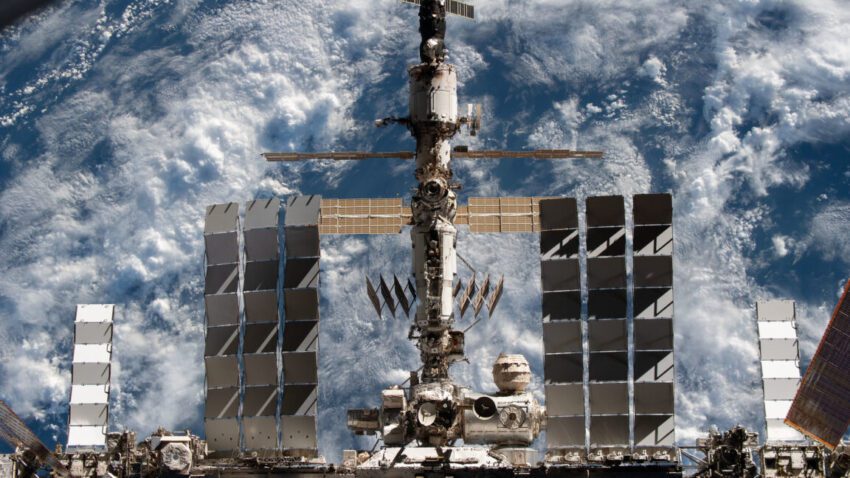
after half a decade the russian space A small section of the International Space Station that has experienced persistent leaks for years appears to have stopped venting atmosphere into space.
after half a decade the russian space
Background on the International Space Station
The International Space Station (ISS) has been a symbol of international cooperation in space exploration since its first module was launched in 1998. It serves as a microgravity research laboratory where scientific research is conducted in astrobiology, astronomy, meteorology, physics, and other fields. The ISS is a joint project involving five participating space agencies: NASA (United States), Roscosmos (Russia), JAXA (Japan), ESA (Europe), and CSA (Canada).
Over the years, the ISS has undergone numerous upgrades and repairs, but it has also faced challenges, including equipment malfunctions and structural issues. The Russian segment of the ISS, which includes several modules, has been particularly scrutinized due to its aging infrastructure and the geopolitical tensions surrounding Russia’s space program.
The Leak Issue in the PrK Module
The PrK module, a small section of the Russian segment of the ISS, has been at the center of concerns for both Russian and American operators. This module is strategically located between a Progress spacecraft airlock and the Zvezda module, which is crucial for the station’s life support systems. The leaks were primarily attributed to microscopic structural cracks that developed over time, leading to a gradual loss of atmosphere.
In 2024, the situation escalated when the rate of leakage doubled, prompting NASA officials to categorize the issue as a “high likelihood” and “high consequence” risk. This classification indicated that the leaks posed a significant threat to the safety of the crew and the integrity of the ISS. The potential for a catastrophic failure was a pressing concern, leading to increased monitoring and contingency planning by both NASA and Roscosmos.
Recent Developments: Confirmation of Stopped Leaks
In a positive turn of events, recent reports from two independent sources indicated that the leaks in the PrK module have ceased. Following these reports, NASA conducted its own assessment and confirmed that the atmosphere venting from the module has indeed stopped. This development marks a significant milestone in the ongoing maintenance and operation of the ISS, particularly for the Russian segment.
Implications of the Stopped Leaks
The cessation of leaks in the PrK module has several important implications for the ISS and its operations:
- Improved Safety: The immediate benefit of stopping the leaks is enhanced safety for the crew aboard the ISS. With a stable atmosphere, astronauts can continue their research and daily activities without the constant worry of a potential atmospheric breach.
- Operational Stability: The ISS relies on a delicate balance of life support systems, and the integrity of the modules is crucial for maintaining that balance. The resolution of the leak issue allows for more stable operations and reduces the need for emergency protocols.
- Future Repairs and Upgrades: With the leak problem addressed, attention can now shift to other maintenance and upgrade needs within the Russian segment. This could include further assessments of aging infrastructure and planning for future missions.
Stakeholder Reactions
The confirmation of the stopped leaks has elicited a range of reactions from stakeholders involved in the ISS program. NASA officials expressed relief at the news, emphasizing the importance of maintaining a safe environment for astronauts. The agency’s focus on rigorous monitoring and assessment has proven effective in addressing the issue.
Roscosmos, the Russian space agency, also welcomed the news. The agency has faced scrutiny over the reliability of its modules, especially in light of the geopolitical tensions affecting international collaborations in space. The cessation of leaks may help restore confidence in Russia’s contributions to the ISS and its future role in international space exploration.
International Collaboration and Future Prospects
The ISS serves as a testament to international collaboration in space exploration, and the resolution of the leak issue in the PrK module underscores the importance of cooperation among space agencies. The successful management of this problem highlights the shared commitment to ensuring the safety and functionality of the ISS.
Looking ahead, the focus will likely shift to the long-term sustainability of the ISS. As the station approaches its 25th anniversary, discussions about its future have intensified. Questions about extending its operational life, potential upgrades, and the eventual transition to new platforms are becoming increasingly relevant.
Conclusion
The confirmation that the PrK module on the Russian segment of the ISS has stopped leaking is a welcome development for all stakeholders involved in the station’s operation. This resolution not only enhances the safety of the crew but also allows for more stable operations and future planning. As the ISS continues to serve as a hub for scientific research and international collaboration, addressing such critical issues is essential for its ongoing success.
As the space community looks to the future, the lessons learned from the PrK module’s leaks will undoubtedly inform strategies for maintaining and upgrading aging space infrastructure. The collaborative spirit that has characterized the ISS program will be crucial as agencies navigate the challenges and opportunities that lie ahead in the realm of human spaceflight.
Source: Original report
Was this helpful?
Last Modified: January 3, 2026 at 10:42 am
9 views