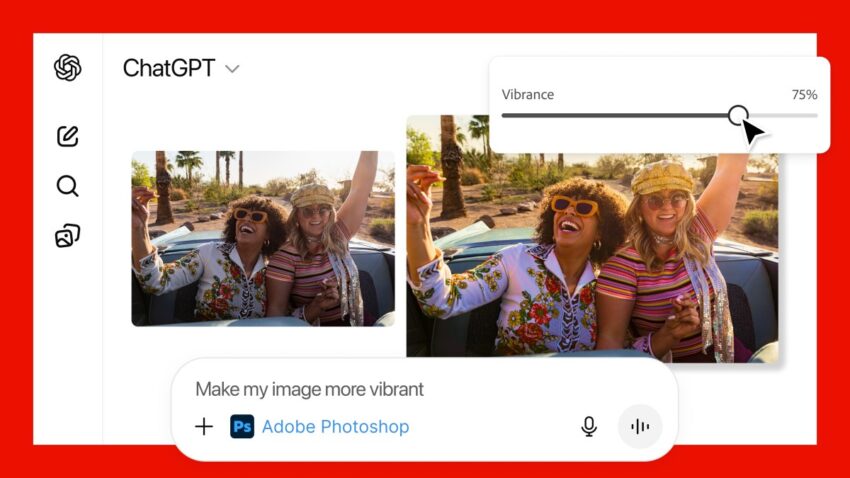
adobe brings photoshop express and acrobat features Adobe has announced the integration of its popular applications, including Photoshop, Express, and Acrobat, into the ChatGPT platform, significantly enhancing the capabilities available to its vast user base.
adobe brings photoshop express and acrobat features
Overview of the Integration
As part of this new collaboration, ChatGPT’s user base, which exceeds 800 million, will gain access to a suite of Adobe’s powerful tools designed for image and document manipulation. This integration marks a significant step in merging artificial intelligence with creative software, allowing users to perform complex tasks more efficiently and intuitively.
Features of the Integrated Applications
The integration brings several key features from Adobe’s applications directly into the ChatGPT interface. Users can now leverage the following functionalities:
- Photoshop: Users can edit images, apply filters, and make adjustments to photos without needing to switch between applications. This includes capabilities such as cropping, resizing, and adding text overlays.
- Adobe Express: This tool allows users to create graphics and social media posts with ease. The integration will enable users to generate visually appealing content quickly, utilizing templates and design elements directly within the ChatGPT environment.
- Acrobat: Users can manipulate PDF documents, including editing text, adding annotations, and converting files to different formats. This feature is particularly useful for professionals who frequently work with digital documents.
Implications for Users
The integration of Adobe’s tools into ChatGPT presents several implications for users across various sectors. By combining the power of AI with creative software, Adobe and OpenAI are setting a new standard for productivity and creativity.
Enhanced Productivity
For professionals, the ability to access advanced image and document editing tools within a conversational AI platform means that tasks can be completed more quickly. Users can describe what they want to achieve in natural language, and ChatGPT can execute the necessary commands in Adobe’s applications. This streamlines workflows, particularly for those in marketing, design, and content creation.
Accessibility for Non-Experts
The integration also democratizes access to sophisticated editing tools. Users who may not have extensive experience with Adobe’s software can still achieve professional-looking results by simply interacting with ChatGPT. This lowers the barrier to entry for creative tasks, allowing more individuals to engage in design and editing without needing to master complex software.
Context of the Partnership
This collaboration between Adobe and OpenAI is not merely a technical integration; it reflects a broader trend in the tech industry towards combining AI with creative tools. As AI continues to evolve, its applications in creative fields are becoming increasingly prominent.
Market Trends
The demand for AI-driven tools has surged in recent years, with businesses and individuals seeking ways to enhance their productivity and creativity. By integrating with ChatGPT, Adobe positions itself at the forefront of this trend, aligning its offerings with the growing interest in AI solutions.
Stakeholder Reactions
The announcement has garnered positive reactions from various stakeholders, including industry analysts, users, and Adobe’s competitors. Analysts have noted that this integration could set a precedent for future collaborations between software companies and AI platforms.
Users have expressed excitement about the potential of using Adobe’s tools in a more conversational and intuitive manner. Many have highlighted the convenience of having multiple functionalities within a single platform, which could significantly enhance their creative processes.
Technical Aspects of the Integration
From a technical standpoint, the integration of Adobe’s applications into ChatGPT involves sophisticated API connections that allow for seamless communication between the two platforms. This ensures that users can access Adobe’s features without experiencing lag or disruption in their workflow.
AI-Powered Features
One of the standout aspects of this integration is the use of AI to enhance user experience. ChatGPT can understand user prompts and translate them into specific actions within Adobe’s applications. For example, a user might say, “Make this image brighter and add a caption,” and ChatGPT will execute those commands using Photoshop’s capabilities.
Security and Privacy Considerations
As with any integration involving user data, security and privacy are paramount. Both Adobe and OpenAI have emphasized their commitment to protecting user information. The integration is designed to ensure that any data shared between the platforms is handled securely, adhering to industry standards for data protection.
Future Prospects
Looking ahead, the integration of Adobe’s applications into ChatGPT opens up numerous possibilities for future developments. As both companies continue to innovate, users can expect enhancements that further streamline the creative process.
Potential for New Features
Future updates may include additional features that leverage machine learning to provide users with personalized suggestions based on their editing habits. For instance, ChatGPT could learn a user’s preferred styles and recommend design elements that align with their aesthetic.
Expanding the Ecosystem
This partnership could also pave the way for further integrations with other software tools, creating a more comprehensive ecosystem for users. As the demand for integrated solutions grows, Adobe and OpenAI may explore collaborations with other companies to expand the range of functionalities available within ChatGPT.
Conclusion
The integration of Adobe’s Photoshop, Express, and Acrobat features into ChatGPT represents a significant advancement in the intersection of AI and creative software. By providing users with powerful tools in a conversational format, Adobe and OpenAI are not only enhancing productivity but also making sophisticated editing accessible to a broader audience. As this partnership evolves, it will be interesting to see how it shapes the future of creative work and the role of AI in facilitating artistic expression.
Source: Original report
Was this helpful?
Last Modified: December 10, 2025 at 6:43 pm
11 views