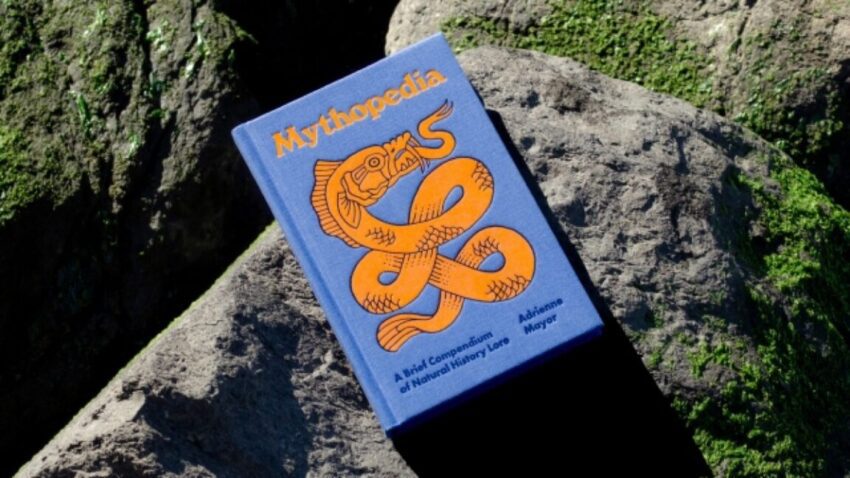
a quirky guide to myths and lore A recent exploration into the intersection of ancient myths and natural phenomena reveals fascinating insights into how cultures interpreted their world long before the advent of modern science.
a quirky guide to myths and lore
Understanding Geomythology
Earthquakes, volcanic eruptions, eclipses, meteor showers, and other natural phenomena have always been part of life on Earth. In ancient cultures that predated the scientific method, such events were often memorialized in myths and legends. These narratives served not only as explanations for the unexplainable but also as cautionary tales, moral lessons, and cultural touchstones. The growing body of research striving to connect these ancient stories with the real natural events that inspired them is known as geomythology.
The term “geomythology” was coined in 1968 by Indiana University geologist Dorothy Vitaliano. Vitaliano’s interest in classical legends, particularly those surrounding the lost civilization of Atlantis and other societies that faced natural disasters, led her to publish the influential book, Legends of the Earth: Their Geologic Origins, in 1973. This work laid the groundwork for understanding how geological events could be reflected in mythological narratives.
The Role of Folklore in Science
Folklorist and historian Adrienne Mayor has made significant contributions to this field, compiling a fascinating short compendium titled Mythopedia: A Brief Compendium of Natural History Lore. In her work, she explores a range of natural phenomena, from dry quicksand and rains of frogs to burning lakes, paleoburrows, and the Scandinavian “endless winters.” Mayor’s research highlights how ancient cultures used storytelling to make sense of their environments, often attributing supernatural causes to natural events.
Mayor’s interest in geomythology began when she encountered Greek and Roman descriptions of fossils. This initial curiosity expanded over the years, leading her to incorporate various examples of “folk science” from cultures around the world. Her multidisciplinary approach allows her to draw connections between the narratives of ancient peoples and the scientific explanations we understand today.
Examples of Natural Phenomena in Mythology
Throughout history, many natural phenomena have inspired myths and legends. Below are some notable examples that illustrate how ancient cultures interpreted events that we now understand through the lens of science.
- Earthquakes: In many cultures, earthquakes were often attributed to the anger of gods. For instance, the ancient Greeks believed that the god Poseidon caused earthquakes by striking the ground with his trident. This mythological interpretation served to explain the sudden and violent nature of seismic activity, which was beyond the comprehension of ancient peoples.
- Volcanic Eruptions: Similarly, volcanic eruptions were often seen as divine punishment. The eruption of Mount Vesuvius in 79 AD, which buried the cities of Pompeii and Herculaneum, was interpreted by the Romans as a sign of the gods’ wrath. The myths surrounding such events often served to reinforce social norms and moral codes.
- Eclipses: Solar and lunar eclipses have also been the subject of numerous myths. Many ancient cultures viewed eclipses as omens or signs of impending doom. The Maya, for example, meticulously recorded eclipses in their codices, interpreting them as significant events that could influence the fate of their civilization.
- Meteor Showers: Meteor showers have often been associated with divine messages. In ancient China, meteors were seen as harbingers of change, while in other cultures, they were interpreted as the souls of the departed. These interpretations reflect humanity’s desire to find meaning in the cosmos.
The Science Behind the Myths
While the myths surrounding these natural phenomena may seem far removed from scientific understanding, they often contain kernels of truth. For example, the ancient Greeks’ attribution of earthquakes to Poseidon may not be scientifically accurate, but it reflects their attempts to explain a complex natural event. Modern geology has since provided insights into tectonic plate movements and the mechanics of earthquakes, yet the cultural narratives persist, illustrating the enduring power of storytelling.
Mayor’s work emphasizes that these myths are not merely fanciful tales; they often contain observations about the natural world that were astutely noted by ancient peoples. For instance, the phenomenon of “raining frogs” has been documented in various cultures, and while it may sound bizarre, it can occur under certain meteorological conditions, such as waterspouts or strong winds lifting frogs into the air before depositing them elsewhere.
Implications of Geomythology
The study of geomythology has broader implications for our understanding of both history and science. By examining how ancient cultures interpreted natural events, researchers can gain insights into the values, fears, and beliefs of those societies. This understanding can inform contemporary discussions about environmental issues, climate change, and natural disasters.
For example, the myths surrounding volcanic eruptions can provide context for modern communities living near active volcanoes. Understanding the historical narratives can help in crafting educational programs that resonate with local populations, fostering a deeper connection to the land and its geological history.
Stakeholder Reactions
Reactions to Mayor’s work and the field of geomythology have been varied. Scholars from disciplines such as anthropology, geology, and folklore have expressed interest in the connections drawn between ancient narratives and modern scientific understanding. Some researchers argue that these stories can serve as valuable tools for education, helping to bridge the gap between scientific knowledge and cultural heritage.
However, there are also critiques. Some skeptics question the validity of linking myths to specific geological events, arguing that such connections can be overly simplistic or speculative. They caution against the potential for misinterpretation, emphasizing the need for rigorous methodologies in the study of geomythology.
Conclusion
Adrienne Mayor’s Mythopedia offers a unique lens through which to view the intersection of mythology and natural history. By exploring the stories that ancient cultures created to explain their world, we gain a richer understanding of both their societies and the natural phenomena that shaped their lives. As we continue to study these connections, we not only honor the wisdom of our ancestors but also enhance our own understanding of the complex relationship between humanity and the environment.
In an age where scientific literacy is increasingly important, the narratives that have persisted through generations remind us of the power of storytelling. They serve as a bridge between the past and present, illustrating how our ancestors grappled with the same natural forces that continue to shape our world today.
Source: Original report
Was this helpful?
Last Modified: December 30, 2025 at 7:39 am
4 views