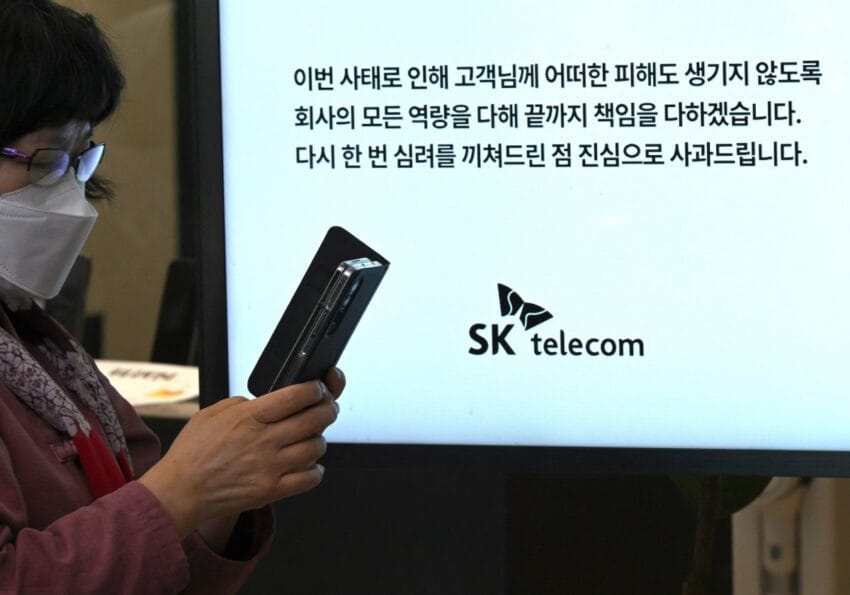
a breach every month raises doubts about South Korea’s rapid digital transformation is increasingly overshadowed by a troubling pattern of data breaches and cybersecurity failures.
a breach every month raises doubts about
Overview of South Korea’s Digital Landscape
South Korea is recognized globally for its advanced digital infrastructure, boasting one of the fastest internet speeds in the world. The nation is home to major technology companies such as Samsung, LG, and Naver, which have positioned South Korea as a leader in innovation and technology. However, this digital prowess has not shielded the country from significant cybersecurity challenges. In recent years, South Korea has experienced a series of high-profile data breaches that have raised questions about the effectiveness of its cybersecurity measures.
Recent Breaches and Their Impact
In 2025 alone, South Korea has witnessed multiple data breaches, with incidents occurring almost monthly. These breaches have affected various sectors, including healthcare, finance, and government. For instance, a notable breach in April 2025 compromised the personal data of millions of citizens, leading to widespread concerns about identity theft and fraud. Such incidents not only jeopardize individual privacy but also undermine public trust in digital services.
Healthcare Sector Vulnerabilities
The healthcare sector has been particularly vulnerable, with sensitive patient information being targeted by cybercriminals. In March 2025, a major hospital chain reported a ransomware attack that encrypted patient records, demanding a hefty ransom for their release. This incident not only disrupted healthcare services but also highlighted the inadequacies in cybersecurity protocols within the healthcare system. The breach prompted calls for stricter regulations and better security practices to protect sensitive health data.
Financial Sector Breaches
The financial sector has also been a prime target for cyberattacks. In June 2025, a leading bank experienced a data breach that exposed customer account information, including bank details and transaction histories. The incident raised alarms about the security measures in place to protect financial data, leading to increased scrutiny from regulators. Customers expressed their concerns over the safety of their financial information, prompting banks to invest in more robust cybersecurity solutions.
Government Response and Regulatory Measures
In response to the escalating number of breaches, the South Korean government has taken steps to enhance its cybersecurity framework. In July 2025, the Ministry of Science and ICT announced a new initiative aimed at strengthening cybersecurity across all sectors. This initiative includes increased funding for cybersecurity research and development, as well as the establishment of a national cybersecurity agency tasked with coordinating responses to cyber threats.
Public-Private Partnerships
Recognizing that cybersecurity is a shared responsibility, the government has also encouraged public-private partnerships to bolster defenses against cyber threats. By collaborating with private sector companies, the government aims to leverage their expertise and resources to develop more effective cybersecurity strategies. These partnerships are expected to foster innovation and improve the overall resilience of South Korea’s digital infrastructure.
Regulatory Framework Enhancements
Additionally, the government has proposed amendments to existing cybersecurity regulations to impose stricter penalties on organizations that fail to protect customer data adequately. These proposed changes aim to hold companies accountable for data breaches, thereby incentivizing them to prioritize cybersecurity measures. Stakeholders have generally welcomed these initiatives, recognizing the need for a more robust regulatory framework to address the growing threat of cybercrime.
Challenges in Cybersecurity Implementation
Despite these efforts, several challenges remain in effectively implementing cybersecurity measures across various sectors. One significant issue is the lack of cybersecurity awareness among employees in organizations. Many breaches occur due to human error, such as falling victim to phishing attacks or failing to follow security protocols. Addressing this issue requires comprehensive training programs to educate employees about potential cyber threats and best practices for safeguarding sensitive information.
Technological Limitations
Another challenge is the rapid pace of technological advancement, which often outstrips the ability of organizations to adapt their security measures accordingly. As new technologies emerge, so do new vulnerabilities that cybercriminals can exploit. Organizations must continuously update their cybersecurity strategies to keep pace with evolving threats, which can be resource-intensive and complex.
International Cooperation
Furthermore, cyber threats often transcend national borders, necessitating international cooperation to combat cybercrime effectively. South Korea has engaged in various international cybersecurity initiatives, collaborating with countries and organizations to share information and best practices. However, achieving a unified approach to cybersecurity remains a challenge, as different countries have varying levels of resources and expertise.
Public Perception and Trust Issues
The recurring nature of data breaches has led to growing public concern regarding the safety of personal information in South Korea. Citizens are increasingly wary of using digital services, particularly in sectors like finance and healthcare, where sensitive data is involved. This erosion of trust can have long-term implications for the digital economy, as consumers may be less inclined to engage with online services if they feel their data is not secure.
Corporate Responsibility
Companies are also facing pressure to demonstrate their commitment to cybersecurity. Customers are demanding transparency regarding how their data is being protected, and organizations that fail to address these concerns risk losing business. As a result, many companies are investing in advanced cybersecurity technologies and practices to reassure customers and safeguard their reputations.
The Future of Cybersecurity in South Korea
Looking ahead, South Korea’s approach to cybersecurity will need to evolve to address the growing sophistication of cyber threats. The government and private sector must work collaboratively to foster a culture of cybersecurity awareness and resilience. This includes investing in research and development to create innovative solutions that can proactively address emerging threats.
Investment in Cybersecurity Technologies
Investment in cybersecurity technologies will be crucial for enhancing defenses against cyberattacks. Organizations should consider adopting artificial intelligence and machine learning solutions that can detect and respond to threats in real-time. These technologies can help identify vulnerabilities before they are exploited, enabling organizations to take proactive measures to protect sensitive data.
Continuous Improvement and Adaptation
Moreover, continuous improvement and adaptation will be essential in the face of evolving cyber threats. Organizations must regularly assess their cybersecurity posture and update their strategies to address new vulnerabilities. This requires a commitment to ongoing training and education for employees, as well as collaboration with cybersecurity experts to stay informed about the latest trends and best practices.
Conclusion
As South Korea continues to advance its digital ambitions, the challenges posed by cybersecurity breaches cannot be overlooked. The frequency of data breaches has raised significant doubts about the effectiveness of the country’s digital defenses. While the government and private sector are taking steps to enhance cybersecurity measures, ongoing vigilance and adaptation will be necessary to safeguard sensitive information and restore public trust in digital services. The future of South Korea’s digital landscape hinges on its ability to effectively address these challenges and build a more resilient cybersecurity framework.
a breach every month raises doubts about Source: Original report
Was this helpful?
Last Modified: December 9, 2025 at 2:12 pm
11 views