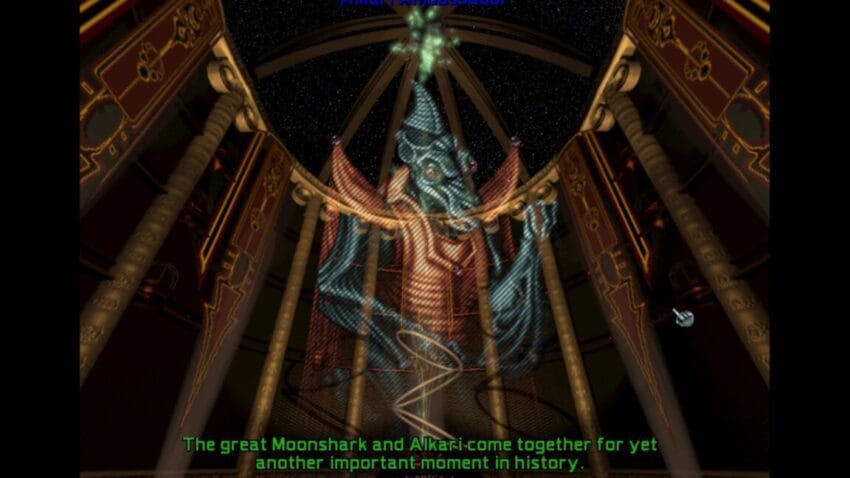
30 years later i m still obliterating Master of Orion II continues to captivate players three decades after its initial release, showcasing the enduring appeal of 4X games.
30 years later i m still obliterating
The Allure of 4X Games
4X games, characterized by their core principles of exploring, expanding, exploiting, and exterminating, have carved a niche in the gaming world. While various strategy genres exist, many players find that only 4X games truly resonate with them. This genre offers a unique blend of strategic depth and long-term planning, allowing players to immerse themselves in vast, intricate worlds. The satisfaction derived from building empires, managing resources, and engaging in tactical warfare is unparalleled.
A Brief History of 4X Games
The roots of 4X games can be traced back to the late 1970s, with early text-based games that laid the groundwork for future titles. However, it was the Civilization franchise that introduced many players to the genre. Released in 1991, the original Civilization set the stage for what would become a beloved series, focusing on the rise and fall of civilizations through various historical epochs.
Master of Orion II, released in 1996, emerged as a significant milestone in the genre. It built upon the foundation laid by its predecessor, Master of Orion, and introduced a host of new features that enriched the gameplay experience. Players could now engage in more complex diplomacy, manage diverse alien races, and explore a richly detailed galaxy. The game’s combination of strategic depth and accessibility made it a favorite among both casual and hardcore gamers.
Master of Orion II: A Deep Dive
Master of Orion II offers a galaxy teeming with possibilities. Players begin by selecting a race, each with unique attributes and abilities. This choice significantly impacts gameplay, as different races excel in various areas, such as technology, diplomacy, or military prowess. The game encourages players to explore the galaxy, colonize planets, and develop their civilizations while contending with rival factions.
Gameplay Mechanics
The gameplay mechanics of Master of Orion II are both intuitive and intricate. Players navigate a simple galaxy map, where they can send ships to explore uncharted territories, establish colonies, and engage in combat. The game features a turn-based system, allowing players to strategize their moves carefully. This pacing fosters a sense of anticipation and excitement, as each decision can significantly alter the course of the game.
Researching technologies is a crucial aspect of gameplay. Players can invest in various fields, unlocking advanced ships, weapons, and planetary improvements. The technology tree is expansive, offering numerous paths to victory. Players must weigh their options carefully, as the choices they make can determine their civilization’s success or failure.
Victory Conditions
While Master of Orion II offers multiple paths to victory, the most exhilarating method is through military conquest. Players can build formidable fleets and engage in epic space battles, employing tactics and strategy to outmaneuver their opponents. The thrill of obliterating rival civilizations and claiming dominion over the galaxy is a core appeal of the game.
In addition to military victory, players can achieve success through diplomatic means, technological supremacy, or cultural influence. Each victory condition requires different strategies and approaches, adding depth to the gameplay. This variety ensures that no two playthroughs are ever the same, keeping players engaged and eager to explore new strategies.
The Enduring Legacy of Master of Orion II
Three decades after its release, Master of Orion II remains a beloved title among 4X enthusiasts. Its blend of strategic depth, engaging gameplay, and rich lore has left an indelible mark on the genre. Many players who experienced the game during its heyday continue to return to it, drawn by nostalgia and the desire to relive the excitement of galactic conquest.
Community and Modding
The game’s enduring popularity can also be attributed to its vibrant community. Fans have created a plethora of mods that enhance and expand the gameplay experience. These modifications can range from simple quality-of-life improvements to comprehensive overhauls that introduce new races, technologies, and gameplay mechanics. The modding community has breathed new life into Master of Orion II, ensuring that it remains relevant in an ever-evolving gaming landscape.
Online forums and social media groups dedicated to the game provide a platform for players to share strategies, discuss gameplay experiences, and connect with fellow enthusiasts. This sense of community fosters a shared passion for the game, allowing players to collaborate and learn from one another.
Modern Comparisons
While Master of Orion II holds a special place in the hearts of many, the 4X genre has evolved significantly since its release. Modern titles like Stellaris and Civilization VI have introduced new mechanics and features that appeal to contemporary gamers. These games often incorporate real-time elements, advanced graphics, and complex narratives, pushing the boundaries of what a 4X game can be.
Despite these advancements, many players still find themselves drawn back to the simplicity and charm of Master of Orion II. The game’s straightforward mechanics and engaging gameplay offer a refreshing contrast to the complexity of newer titles. For those seeking a nostalgic experience or a deeper understanding of the genre’s roots, Master of Orion II remains an essential play.
Implications for the Future of 4X Games
The continued interest in Master of Orion II raises questions about the future of 4X games. As technology advances and player expectations evolve, developers face the challenge of balancing innovation with the core elements that define the genre. While modern titles may introduce new mechanics and graphics, the fundamental appeal of exploration, expansion, exploitation, and extermination remains unchanged.
For developers, understanding the elements that resonate with players is crucial. The success of remastered versions and re-releases of classic titles indicates a demand for nostalgic experiences. This trend suggests that there is still a significant audience for games that prioritize strategic depth and engaging gameplay over flashy graphics and complex mechanics.
Conclusion
Master of Orion II stands as a testament to the enduring appeal of 4X games. Its combination of strategic depth, engaging gameplay, and rich lore has captivated players for three decades. As the gaming landscape continues to evolve, the lessons learned from Master of Orion II will undoubtedly influence the development of future 4X titles. Whether through nostalgia or the desire for strategic engagement, players will continue to seek out experiences that allow them to explore, expand, exploit, and exterminate in the vastness of space.
Source: Original report
Was this helpful?
Last Modified: September 28, 2025 at 6:36 pm
8 views