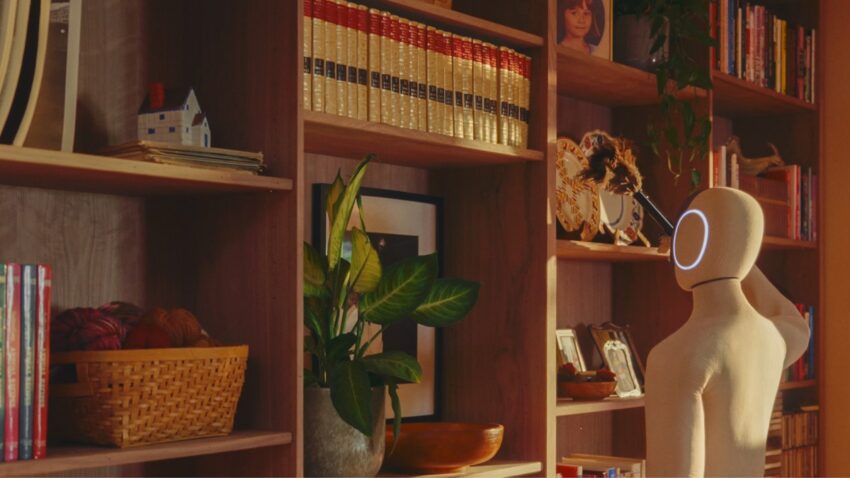
1x struck a deal to send its 1X has announced a significant pivot in its strategy, transitioning its humanoid robots originally designed for home assistance to industrial applications in factories and warehouses.
1x struck a deal to send its
Background on 1X and Its Humanoid Robots
Founded with the vision of integrating humanoid robots into everyday life, 1X aimed to create robots that could assist consumers with household tasks. The company introduced its flagship product, the NEO robot, which was marketed as a versatile assistant capable of performing various chores. The NEO was equipped with advanced AI capabilities, allowing it to learn and adapt to the preferences of its users. This innovation positioned 1X as a frontrunner in the burgeoning market of domestic robotics.
However, as the technology matured and the market evolved, 1X began to explore alternative applications for its robots. The decision to pivot towards industrial use cases reflects a broader trend in the robotics industry, where companies are increasingly recognizing the potential for automation in sectors beyond consumer markets.
The Shift to Industrial Applications
The recent announcement by 1X marks a strategic shift in its business model. The company has secured a deal to deploy its NEO robots in factories and warehouses, where they will be utilized for various tasks, including inventory management, assembly line support, and logistics operations. This transition is not merely a rebranding of the existing technology; it represents a significant adaptation of the robots to meet the specific demands of industrial environments.
Reasons for the Shift
Several factors have contributed to 1X’s decision to pivot its focus:
- Market Demand: The industrial sector has been increasingly investing in automation solutions to enhance efficiency and reduce labor costs. As companies face challenges such as labor shortages and rising operational costs, the demand for robotic solutions has surged.
- Technological Advancements: The NEO robots have undergone significant upgrades since their initial release. Enhanced sensors, improved mobility, and advanced AI algorithms enable them to navigate complex environments and perform tasks that were previously challenging for robots.
- Partnership Opportunities: The collaboration with industrial partners allows 1X to leverage existing infrastructure and expertise, facilitating a smoother integration of its robots into operational workflows.
Implications for the Robotics Industry
The decision by 1X to focus on industrial applications has broader implications for the robotics industry. It signals a shift in how companies view the potential of humanoid robots. Traditionally, humanoid robots were seen primarily as consumer products, but this pivot suggests that their capabilities can be effectively harnessed in more demanding environments.
Potential Benefits of Industrial Humanoids
Integrating humanoid robots into industrial settings offers several potential benefits:
- Increased Efficiency: Humanoid robots can work alongside human employees, taking on repetitive or physically demanding tasks. This collaboration can lead to increased productivity and reduced strain on human workers.
- Flexibility: Unlike traditional industrial robots, which are often designed for specific tasks, humanoid robots can be programmed to perform a variety of functions. This adaptability makes them suitable for dynamic environments where tasks may change frequently.
- Safety: By deploying robots in hazardous environments, companies can reduce the risk of workplace injuries. Humanoid robots can handle dangerous materials or operate in extreme conditions, ensuring the safety of human workers.
Stakeholder Reactions
The announcement has elicited a range of reactions from stakeholders across the industry. Investors have expressed optimism about the potential for growth in the industrial robotics market, while industry experts have weighed in on the implications of this shift.
Investor Sentiment
Investors have responded positively to 1X’s strategic pivot, viewing it as a timely move that aligns with current market trends. The industrial robotics sector is projected to grow significantly in the coming years, driven by increasing automation and the need for efficient supply chain solutions. Investors are keen to support companies that are poised to capitalize on this growth, and 1X’s decision to enter the industrial space has generated renewed interest in its stock.
Expert Opinions
Industry experts have also weighed in on the implications of 1X’s pivot. Many believe that the move could set a precedent for other companies in the robotics sector. As humanoid robots prove their capabilities in industrial applications, it may encourage further investment and innovation in this area. Experts suggest that the success of 1X’s NEO robots in factories and warehouses could lead to a broader acceptance of humanoid robots in various sectors, including healthcare, retail, and logistics.
Challenges Ahead
Despite the promising outlook, 1X faces several challenges as it transitions its NEO robots to industrial applications. These challenges must be addressed to ensure the successful deployment and integration of the robots into existing workflows.
Technical Challenges
One of the primary challenges is ensuring that the NEO robots can operate effectively in complex industrial environments. This includes navigating crowded spaces, interacting with human workers, and performing tasks that require precision and reliability. Continuous improvements in AI and machine learning will be crucial in overcoming these technical hurdles.
Regulatory Considerations
As with any new technology, regulatory considerations will play a significant role in the deployment of humanoid robots in industrial settings. Compliance with safety standards and regulations will be essential to ensure that the robots can operate without posing risks to human workers. 1X will need to work closely with regulatory bodies to navigate these challenges effectively.
Market Competition
The industrial robotics market is highly competitive, with several established players already offering automation solutions. 1X will need to differentiate its NEO robots from existing products to capture market share. This could involve emphasizing unique features, such as the robots’ humanoid design, adaptability, and ease of integration into existing systems.
Future Outlook
The future of 1X and its NEO robots appears promising as the company embarks on this new chapter. The industrial sector’s increasing reliance on automation presents a significant opportunity for growth and innovation. If successful, 1X could establish itself as a leader in the industrial robotics space, paving the way for further advancements in humanoid robotics.
Long-Term Vision
Looking ahead, 1X’s long-term vision may involve expanding its product line to include specialized robots tailored for specific industrial applications. This could include robots designed for logistics, manufacturing, or even healthcare. By diversifying its offerings, 1X could position itself as a comprehensive provider of robotic solutions across various sectors.
Conclusion
1X’s decision to pivot its NEO robots from home assistance to industrial applications marks a significant development in the robotics industry. As the company navigates the challenges and opportunities of this transition, it has the potential to reshape the landscape of industrial automation. The success of the NEO robots in factories and warehouses could not only benefit 1X but also contribute to the broader acceptance and integration of humanoid robots in various sectors.
Source: Original report
Was this helpful?
Last Modified: December 12, 2025 at 3:41 am
2 views