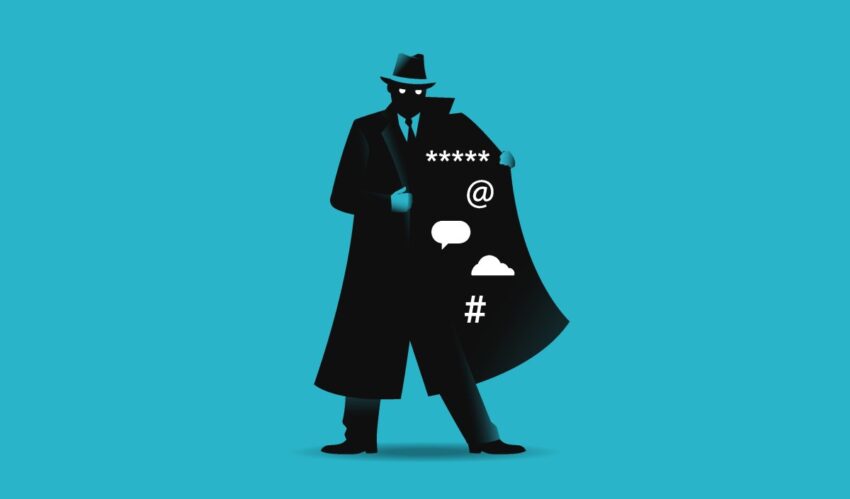
As the fallout from the alleged Jensen Huang honey-trap scandal continues to play out, security experts say the bigger story is not one executive’s alleged misstep but a broader vulnerability across the AI sector. The warning from former intelligence professionals is blunt: in a business built on secrets, nearly everyone with access to sensitive information can be a target.
Why the AI industry is especially exposed
Aaron Brown, a former senior CIA officer and founder of the software company Lumbra, told TechCrunch that Silicon Valley has not fully adapted to the counterintelligence risks that come with becoming a high-value strategic industry.
“Nobody briefs founders on counterintelligence,” Brown said. Historically, honey traps have been linked to politicians, military personnel, and intelligence officers — people with clearances and training who are expected to be approached by spies or other attackers. In AI, Brown argued, the most valuable secrets are now concentrated inside companies building chips, models, and infrastructure.
“The roadmap, the export decisions, the customer list, who gets the technology,” Brown said of the kinds of information attackers may seek. “The CEO is the shortest path to all of it.”
It is not just CEOs and founders
The allegations around Huang have prompted jokes online about which tech leader could be next, but experts say that framing is too narrow. The risk extends well beyond the chief executive seat to anyone who can open doors to sensitive information.
According to the Wall Street Journal, OpenAI began warning employees that outsiders may try to build personal relationships in pursuit of company secrets. That kind of outreach can target board members, executives, assistants, recruiters, and other employees who may not think of themselves as security risks.
Brown said the classic image of a honey trap is often misleading. The tactic does not require a dramatic romance or a movie-style seduction. In many cases, it is built on friendship and trust.
How the scheme usually works
“Friendship is actually the oldest honey-trap scheme around,” Brown said. Attackers may pose as investors, customers, recruiters, or consultants. Their pitch often looks legitimate at first glance, which makes it easier to gain repeated access over time.
“They need you to feel comfortable talking,” Brown said. “They last longer because nobody’s looking.”
The social engineering angle matters because the attacker’s goal is not necessarily to provoke an immediate disclosure. It is often to gradually earn enough trust to collect information, shape decisions, or set up leverage for later use.
AI makes deception cheaper and faster
Another change, experts say, is that artificial intelligence has lowered the cost of building a convincing fake identity. What once required months of research and patience can now be accelerated with automated tools.
AI can help gather background details, draft believable social profiles, create fictional histories, and even support fake voice calls. Perry Carpenter, a criminologist and chief deception strategist at KnowBe4, said the technology can help create an entire invented backstory.
“AI can help sustain an entire fictional backstory,” Carpenter said. “The technology helps set the stage, but the deception ultimately plays out through human relationships.”
That combination — machine-generated plausibility and human emotional manipulation — is part of what makes modern honey-trapping more dangerous than the old stereotypes suggest. The attack still depends on people, but AI makes the setup faster, cheaper, and more scalable.
When trust becomes leverage
Experts warn that once a target realizes they have been compromised, the threat can escalate quickly. A seemingly personal relationship can become a tool for coercion, including blackmail.
That risk is especially serious in companies where staff members may not know what information they should avoid discussing, or where a friendly conversation can accidentally become an intelligence leak. The stakes are higher still in AI, where product plans, chip supply, customer relationships, and export decisions can have enormous commercial and geopolitical value.
Brown said the industry has matured into something closer to a national security sector faster than its culture has caught up.
“The AI industry became a national security industry faster than its culture caught up,” Brown said. “Part of being honey-trapped is not knowing. It doesn’t feel like manipulation. It feels genuine, even lucky.”
Red flags security teams should not ignore
Carpenter said the first step is paying attention to patterns that feel slightly off rather than obviously suspicious. Repeated “coincidental” encounters, persistent curiosity about internal work, or an unusual interest in colleagues can all be warning signs.
- Unexpected meetings or encounters that happen too often
- Requests for secrecy around conversations or introductions
- Pressing for nonpublic information about work, staff, or strategy
- Requests that grow larger over time
- Pressure to do something that would normally feel uncomfortable
Brown suggested a simple test: would the person still be involved if you lost your job tomorrow? If the answer seems no, the relationship may be more transactional than it appears.
Culture matters as much as policy
Experts also said companies need to make it easier for employees to raise concerns without worrying about status or retaliation. Carpenter called out “executive exceptionalism,” the tendency to assume the rules do not apply equally to powerful people inside a company.
“One of the most dangerous security cultures is one where nobody feels comfortable questioning the CEO,” Carpenter said.
Brown said paranoia is not the answer, especially in an industry that depends on risk-taking and relationship-building. But awareness is essential, he said, because many attackers rely on the assumption that their targets will never suspect a personal connection could be part of an operation.
“Founders need to take risks, and they need to explore business opportunities,” Brown said. “Paranoia doesn’t help. Recognizing you’re a target does.”
Source: Original report
Was this helpful?
Explore more: Application Audit & Review More Cybersecurity Tech News
Last Modified: November 21, 2026 at 10:31 pm
0 views